Key takeaways
- Spanish culture varies across regions, each with unique traditions and languages.
- Family gatherings and meal times structure daily life more than work schedules
- Understanding local customs helps learners speak naturally and avoid missteps.
- Learning with native speakers on italki gives real-world context beyond textbooks.
Spanish culture shapes how people communicate. You can nail every verb conjugation and still feel lost if you don’t understand why your Spanish friend’s grandmother has strong opinions about your dinner plans.
This guide focuses on what language learners actually encounter: why people eat dinner at 10 PM, how regional identity affects everything, what extended family members have to do with weekend plans, and why calling paella “Spanish food” might start an argument.
Learning Spanish language and culture and culture works best through conversation. Working with Spanish tutors helps you understand the “why” behind social patterns that textbooks don’t explain.
What shapes Spanish culture today?
Spanish culture balances fierce regional pride with shared traditions, late social schedules, and family-first values.
Walk through Madrid at 11 PM on a Tuesday and you’ll see families with kids eating dinner at restaurants. Head to Barcelona and half the conversations happen in Catalan, not Spanish. Visit the Basque Country and people introduce themselves as Basque before Spanish. These aren’t quirks. They’re how Spanish culture actually works.
Core elements of Spanish culture you’ll notice:
- Family comes first – Extended family members actively shape routines and social plans. Your Spanish coworker can’t confirm Friday plans until the family schedule is settled.
- Late social schedules – Lunch happens between 2–4 PM, dinner after 9 PM, and bars fill up at midnight.
- Regional pride and language – Calling paella a “rice dish from Spain” can spark debate in Valencian Community; local identity matters.
- Direct communication – Disagreement signals engagement, not anger.
- Physical proximity – Friends stand closer, hug when greeting, and use expressive hand gestures.
The Spanish Civil War and decades of dictatorship ended in the 1970s, but they still affect how people talk about politics and regional identity. You don’t need to know every detail, but understanding that recent Spanish history was complicated helps you navigate conversations with native speakers.
Pro tip: When learning Spanish, cultural context helps vocabulary stick. Working with native Spanish teachers means you learn not just words but when and how to use them naturally.
Why do regional differences matter in Spanish culture?
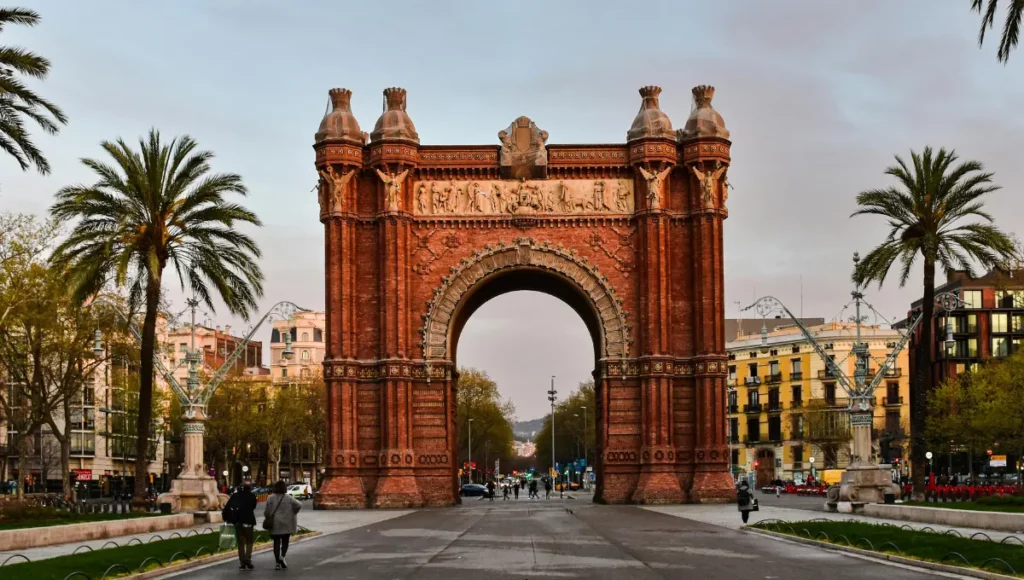
Because Spain isn’t a single culture. It’s made up of 17 autonomous communities, each with its own identity, traditions, and sometimes completely different languages.
Understanding these regional differences helps you avoid cultural mistakes when speaking Spanish. What sounds normal in Madrid might sound strange in Barcelona. What works in Seville might confuse someone from the Basque Country.
Languages in Spanish culture
Spanish (Castilian) is the official language nationwide, but millions of people speak other languages daily:
| Language | Where it’s spoken | What you need to know |
|---|---|---|
| Catalan | Catalonia, Valencia, Balearic Islands | Default language in Barcelona, used in schools and government |
| Basque | Basque Country | Doesn’t come from Latin, signals strong regional identity |
| Galician | Galicia | Mix between Spanish and Portuguese |
These aren’t dying languages. Young people use them daily, schools teach in them, and regional TV broadcasts in them.
Key regional differences:
Valencia
- Created paella (a Valencian rice dish, not just “Spanish food”)
- Celebrates Las Fallas festival every March, burning massive sculptures
Basque Country
- Pintxos culture (sophisticated small bites)
- Separate language (Basque)
- Strong independence feelings
Catalonia
- Catalan is the default language in Barcelona streets and shops
- Distinct regional identity
- Many locals don’t identify as “Spanish” in daily life
Andalusia
- Shaped flamenco music
- Relaxed pace of life
- Drops consonants in speech
- Holy Week processions shut down cities
Galicia
- Atlantic seafood culture
- Celtic influences and rainy climate
- Galician language widely spoken
Pro tip: Ask Spanish people where they’re from, not just “are you Spanish?” Then ask what makes their region special. Native tutors can explain these nuances as they come up in conversation, helping your Spanish sound culturally aware.

Find Your Perfect Teacher
At italki, you can find your Spanish tutor from all qualified and experienced teachers. Now experience the excellent language learning journey!
Book a trial lesson
How do Spanish people communicate?
Spanish culture values direct, animated communication with close physical proximity. Compared to other European countries, Spanish people talk louder, stand closer, and interrupt more – but this signals engagement, not anger.
Communication patterns in Spain:
- Everyone talks at once
- Overlapping conversation is normal and shows interest
- Waiting for complete silence means you may never get a turn
- Direct communication is the default
- Spaniards say what they think without excessive softening
- Disagreement doesn’t mean dislike; honest feedback shows respect
- Physical proximity is close
- Friends stand closer, touch your arm, and greet with two kisses (cheek to cheek)
- Backing away can read as cold or unfriendly
- Hand gestures carry meaning
- Gestures emphasize points and add emotion
- Observing native speakers helps you understand common gestures
Pro tip: When practicing Spanish with your tutor, ask them to point out when your tone sounds too formal or indirect. These subtle cues make your Spanish sound more natural and culturally aware.
Why is family so central to Spanish culture?
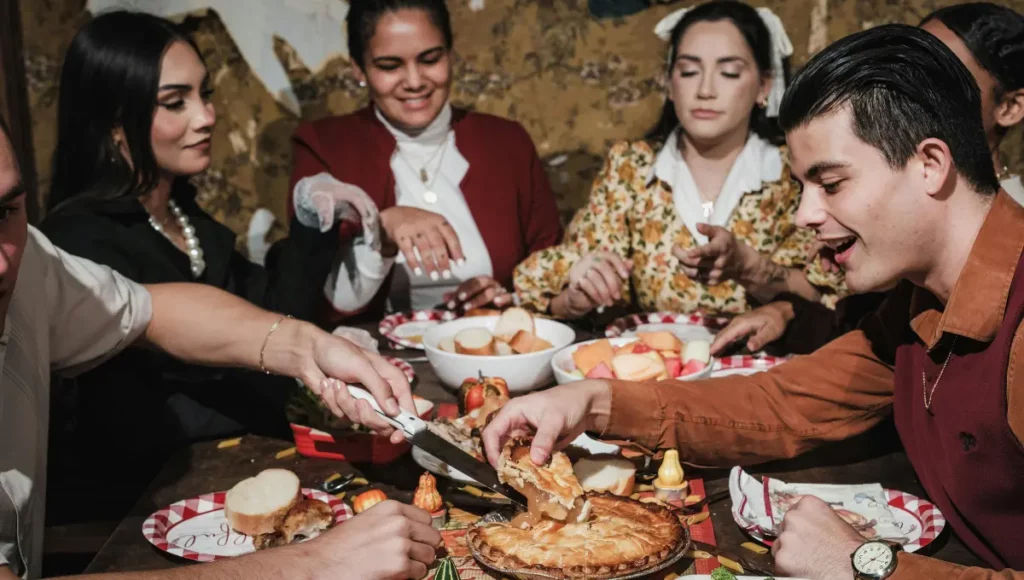
Extended family members in Spanish culture aren’t distant relatives you see at weddings. They’re active parts of weekly life who influence major decisions.
How family shapes Spanish culture:
- Sunday lunch is sacred
- Extended family members gather for lunch starting around 2 PM
- Meals can last until 6 PM with multiple courses and lively conversation
- Sobremesa (sitting at the table talking after eating) often lasts hours
- Skipping without a serious reason would be unusual
- Generational connections run deep
- Grandparents help pick up children from school, attend sporting events, and assist with daily childcare
- Three generations often live in the same building or neighborhood
- Aunts and uncles weigh in on career, housing, and relationship decisions
- Family opinions carry significant weight in daily life
- Young adults live at home longer
- Common for people in their twenties or thirties to live with parents
- Practical due to high housing costs in cities like Madrid and Barcelona
- Valued for family closeness, not seen as “failure to launch”
- Supports care for aging parents and helps save money
Key family terms in Spanish:
| Term | Cultural Meaning |
|---|---|
| Sobremesa | Sitting at the table talking for hours after eating |
| Abuelos | Grandparents, often involved in childcare multiple times per week |
| Tíos/tías | Aunts and uncles who may have opinions on major life choices |
Pro tip: Family vocabulary comes up constantly in Spanish conversations. Practicing with native speakers helps you understand these references naturally, instead of translating literally.
Spanish meal times and Spanish cuisine
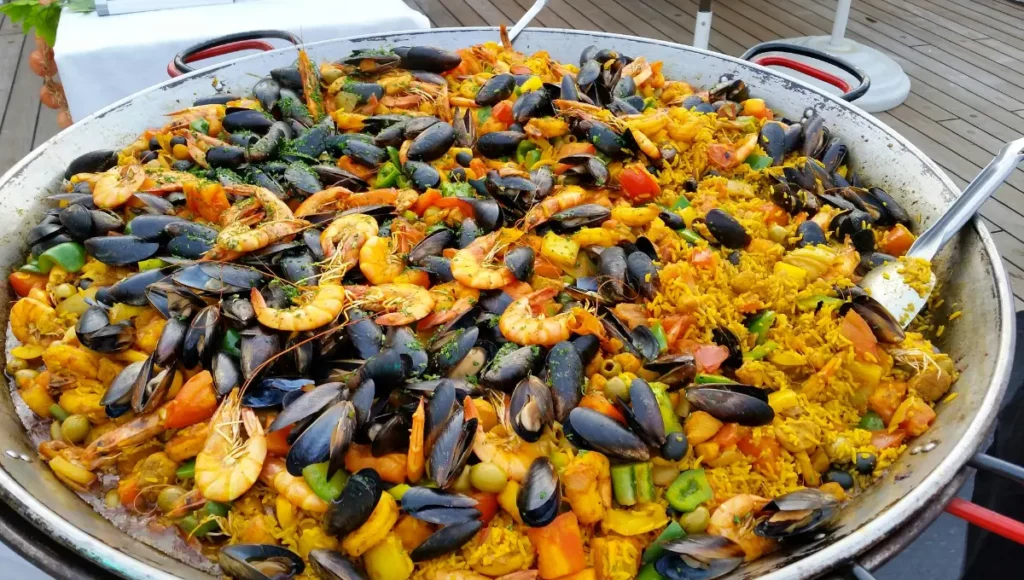
Spain has a unique food culture with meal schedules and dishes that reflect both tradition and regional identity.
Meal timing:
| Meal | Time | What to Expect |
|---|---|---|
| Breakfast | 7–9 AM | Light: coffee with toast, a pastry, or a small sandwich. Not typically heavy. |
| Lunch (Comida) | 2–4 PM | The main meal of the day, often with multiple courses and lasting 1–2 hours. Many businesses close for a short break afterward. |
| Dinner (Cena) | 9–11 PM | Lighter than lunch. Restaurants usually open around 8:30 PM, with locals often eating closer to 10 PM. Meals are social and leisurely. |
Spanish Cuisine Highlights:
- Olive oil is used extensively in cooking, salads, and even drizzled on bread.
- Staples include seafood, vegetables, legumes, and cold tomato soup (gazpacho); red meat appears less frequently than in other European countries.
- Regional specialties reflect local identity:
- Paella rice dish in Valencia
- Fried squid in Andalusia
- Cured ham (jamón ibérico) across multiple regions
Pro tip: Meals are about connection, not just nourishment. Sharing food with friends, enjoying lively conversation, and taking time for sobremesa are central to Spanish culture. Learning food-related words and phrases with a native Spanish tutor helps you join these conversations naturally, whether discussing what’s on the menu, sharing recipes, or talking about local dishes with friends.
Find Your Perfect Teacher
At italki, you can find your Spanish tutor from all qualified and experienced teachers. Now experience the excellent language learning journey!
Book a trial lesson
What Spanish culture traditions will you actually encounter?
You’ll run into religious holidays, regional festivals, and family celebrations that affect schedules and conversations.
Major traditions in Spanish culture:
Holy Week (Semana Santa)
- Massive processions in Andalusia with religious brotherhoods
- Streets close, cities transform into religious theater
- Still culturally important even in secular Spain
La Tomatina
- Tomato fight festival every August in Buñol (near Valencia)
- Thousands throw overripe tomatoes for an hour
- Started as spontaneous fight in 1945
- Attracts foreign visitors worldwide
Christmas celebrations
- Children receive presents on January 6 (Three Kings Day), not December 25
- Three Kings parades the night before where kids collect candy
- Christmas Eve/Day involve family meals
August vacation culture
- The vast majority of Spanish people take vacation in August
- Businesses close for 2-3 weeks
- Everyone heads to coast or countryside
Regional festivals
- Las Fallas (Valencia): Burns massive sculptures every March
- San Fermín (Pamplona): Running with bulls every July
- Each region has festivals locals care about deeply
How does Spanish culture show up in art and music?
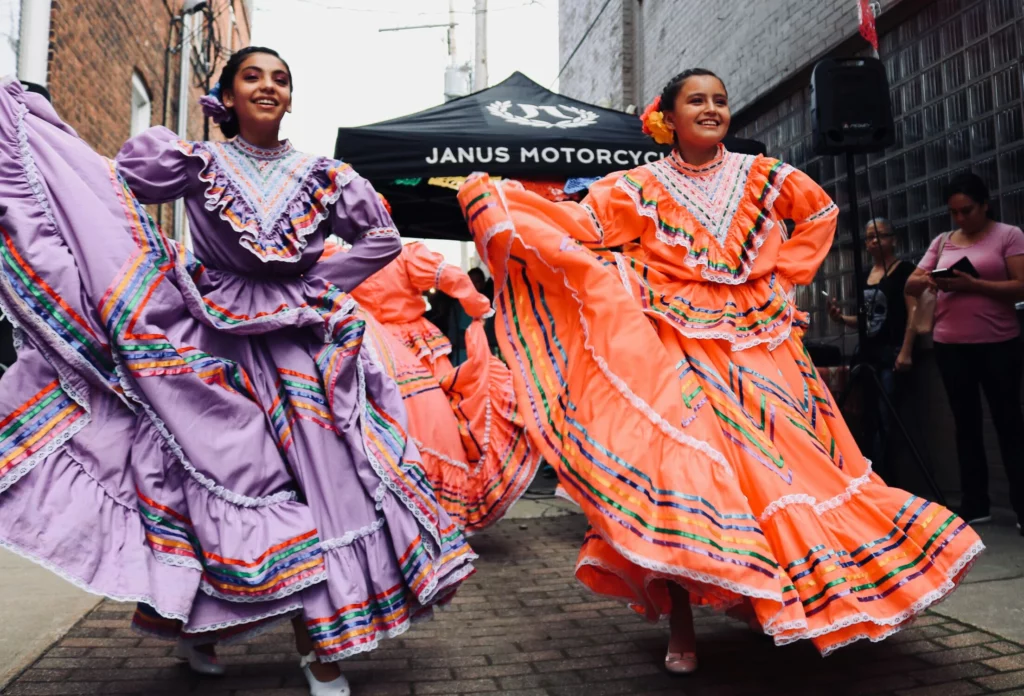
Spain has produced great figures across literary works, visual arts, and music:
- Miguel de Cervantes, author of Don Quixote, symbolizes the Golden Age of Spanish literature.
- Poets like Blas de Otero shaped the Silver Age of literature.
- Artists: Pablo Picasso, Paco de Lucía, and other leading artists achieved international recognition.
- Flamenco music remains a cultural touchstone.
How can language learners experience Spanish culture practically?
You don’t need to move to Spain to engage with Spanish culture meaningfully. Consistent exposure builds cultural awareness that makes your Spanish sound natural.
Daily habits for experiencing Spanish culture:
- Watch Spanish TV shows and films (Netflix has plenty)
- Use Spanish subtitles, not English
- Listen to Spanish podcasts during commutes
- Follow Spanish news sources (El País, El Mundo)
- Speak regularly with native speakers
Many learners find structured conversations helpful, especially when tutors explain why something sounds natural or odd based on culture, not rules.
Find Your Perfect Teacher
At italki, you can find your Spanish tutor from all qualified and experienced teachers. Now experience the excellent language learning journey!
Book a trial lesson
Start learning Spanish with cultural confidence
Understanding Spanish culture transforms how you communicate. You’ll know when meal timing matters, why regional identity shapes conversation, how family dynamics influence language use, and what makes interactions feel natural versus awkward.
But reading about culture only takes you so far. Real cultural fluency comes from practice with native speakers who explain the “why” behind customs, correct your cultural missteps in context, and share personal experiences that guidebooks miss.
Ready to learn Spanish with cultural awareness? Book a trial lesson with native Spanish tutors online who teach language and culture together. Choose from 2500+ native teachers who understand that authentic communication requires both language skills and cultural knowledge.
FAQs
What is typical Spanish culture?
Late meal times, family-centered routines, regional pride, and lively communication distinguish Spanish culture from other countries.
What are 10 cultural facts about Spain?
- Late meals – Lunch around 2 PM, dinner around 10 PM is normal.
- Siesta culture – Short afternoon naps are traditional, especially in small towns.
- Regional pride – Catalonia, Basque Country, and Galicia have strong local identities.
- Family first – Extended families often live close and gather frequently.
- Festivals everywhere – From La Tomatina to Semana Santa, celebrations are huge.
- Passionate communication – Gestures, tone, and closeness matter as much as words.
- Tapas culture – Sharing small plates with friends is a social staple.
- Flamenco & music – Music and dance reflect regional histories and emotions.
- Football obsession – Soccer isn’t just a sport; it’s part of daily life and identity.
- Coffee & socializing – Cafés are for lingering chats, not just quick caffeine fixes.
What is popular in Spanish culture?
Football is the most popular sport. Family gatherings, especially Sunday meals with extended family members, are central. Tapas and small bites remain a staple of social life, and regional festivals, flamenco music, and Spanish cuisine, including paella (Valencia), jamón ibérico, and gazpacho (Andalusia), are widely enjoyed. Outdoor socializing in plazas and cafés is popular across all ages.
What is important in Spanish culture?
Family relationships rank highest in Spanish culture. Extended family members participate in major decisions and regular gatherings. Shared meals structure relationships and daily life. Regional identity, work-life balance, direct communication, and social connection through outdoor life in many bars and plazas remain culturally valued.
Want to learn a language at italki?
Here are the best resources for you!