5847 đang tham gia
#TrendingWords
5847 đang tham gia
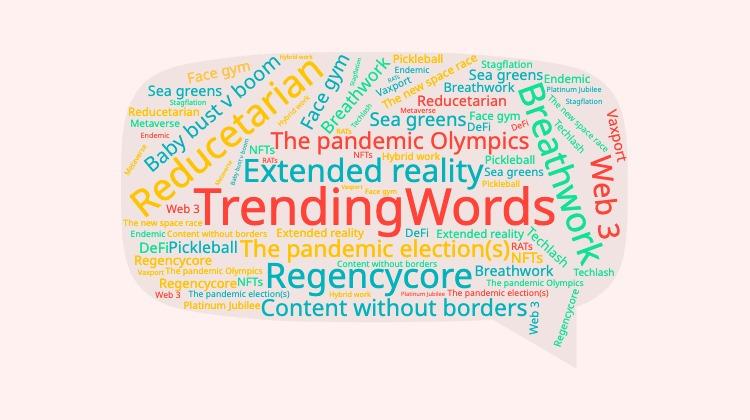
Do you know that approximately 14.7 new English words are generated per day? As the social media savvy, you must have acquired some new trending words. Share them here!
#TrendingWords
Do you know that approximately 14.7 new English words are generated per day? As the social media savvy, you must have acquired some new trending words. Share them here!
parole da conoscere in italiano . . .
"Ho l'esame tra una settimana, quindi devo _____ _____ a studiare seriamente"
scegli l'opzione adatta . . .
mettermi sopra
mettermi sotto
mettermi dentro
0 đã tham gia kiểm tra
10 giờ trước
0
0
German To-Go 🇩🇪
Was ist richtig?
Der Deutschkurs beginnt _____ 18:00 Uhr
im
am
um
3 đã tham gia kiểm tra
24 Thg 10 2026 20:19
0
0
Choose the correct answer.
The manager usually ___ the team's performance during Monday meetings.
discusses
discuss
discussed
10 đã tham gia kiểm tra
24 Thg 10 2026 08:31
0
1
5 common German phrases used in every day communication:
Hello everybody,
today i wanted to talk a little about some phrases that are used in Germany. When you start learning a language you always start with grammar, introductions and new words. But what is left out most of the time are commonly used sentences or phrases used in everyday interactions. So, here are a few that you can implement in your vocabulary and be more assured in your interactions.
1. "Na, alles klar?"
Meaning: How are you? Is everything all right?
If you made German speaking friends and you want to greet them but you don't want to sound too formal, then this phrase is perfect for you. Using this phrase the interaction will be more natural and smoother.
2. "Das ist mir Wurst."
Meaning: I don't care about that.
When you first hear this sentence you would think "why is the person talking about sausages?" But this sentence can actually be used in everyday interactions to tell someone you don't care about a topic or for example the place where you will eat. Just watch not to tell it at work.
3. "Ich drücke dir die Daumen!"
Meaning: Good luck.
If your friend has a big day ahead or a test he needs to take, then this sentence will help you. If you use this he will know that you are rooting for him.
4. "Ach, du meine Güte"
Meaning: Oh my God
If you want to express that you are surprised or amazed then use this sentence. It will help you to express your feelings better.
5. "Das kriegen wir schon hin!"
Meaning: We will make it. We will accomplish this.
This sentence is most commonly used to assure someone that they are not alone and that you will help them. With this sentence you can tell someone that you are there for them. Which is something all of us need sometimes.
Tell me, did you find this helpful? If you guys have any questions about any of this please leave a comment.
Noch einen schönen Tag an euch!
24 Thg 10 2026 19:04
0
0
Hiển thị thêm


00:00
00:00