Key Takeaways
- Quebec French differs from European French in pronunciation, vocabulary, and register: standard French resources will only take you so far
- The most effective combination is native Quebec French conversation practice paired with deliberate exposure to Quebec media and vocabulary
- italki connects learners directly with native Quebec French speakers for one-on-one lessons covering Québécois pronunciation, vocabulary, expressions, and cultural fluency
- About 7.2 million people speak French as their mother tongue in Quebec, according to Statistics Canada’s 2021 Census, making it a living, culturally distinct variety of French well worth learning on its own terms
The best ways to learn Quebec French are not the same as the best ways to learn standard French. Quebec French has its own pronunciation rules, vocabulary, and a colloquial register called joual that most French courses and apps simply do not teach. If your goal is to understand and be understood by native Quebec French speakers, you need resources and practice built specifically around the Québécois dialect.
italki connects learners with native Quebec French speakers for one-on-one lessons that target Québécois pronunciation and real vocabulary from the first session. With over 10 million learners and 30,000+ teachers across 150+ languages, it’s the most direct route to authentic Quebec French practice, regardless of where you live.
This guide covers every method that works, from finding the right tutor to the best Quebec-specific media, vocabulary strategies, and how long the process realistically takes.
Ready to practice with a native Quebec French speaker? Find a French tutor on italki and book a trial lesson today.

Find Your Perfect Teacher
Build real French confidence with personalized lessons from a teacher who can help with speaking, exam prep, grammar, and pronunciation.

What makes Quebec French different from standard French?
Quebec French developed separately from European French over four centuries of geographic isolation, producing differences that go well beyond accent. Learners who assume their standard French will transfer smoothly are routinely caught off guard by how unfamiliar natural Quebec speech sounds.
Key differences between Quebec French and standard French:
| Feature | Quebec French | Standard (European) French |
|---|---|---|
| T and D sounds | Affricates: “tu” sounds like “tsu,” “dis” sounds like “dzis” | Standard consonant stops |
| Vowels | Longer, more nasal in certain positions | Shorter, less nasal |
| Unique vocabulary | char (car), magasiner (to shop), dépanneur (corner store) | voiture, faire du shopping, épicerie |
| Colloquial register | Joual (Montreal working-class dialect) used widely in daily speech | More formal register dominant in everyday use |
| English borrowings | Resists English loanwords in formal contexts; incorporates some in casual speech | More English borrowings in contemporary usage |
| Connected speech | Fast, heavy elision; words blur together at natural pace | Clearer separation between words |
The most disorienting feature for learners is affrication: the “ts” and “dz” sounds that replace t and d before i and u. This is completely absent in European French and requires dedicated practice to both produce and understand. For a full side-by-side comparison of the two varieties, Canadian French vs France French covers the complete range of phonetic, vocabulary, and cultural differences.
Standard French courses and apps are built around Parisian French and often skip these features entirely. Quebec-specific resources and a Quebec-native tutor make a significant difference from the start. For a structured overview of the full learning process, how to learn Quebec French covers the approach step by step.
Find a tutor who genuinely speaks the dialect you want to learn. Search for a French teacher on italki and filter by location or dialect to find native Quebec French speakers.
Find Your Perfect Teacher
Build real French confidence with personalized lessons from a teacher who can help with speaking, exam prep, grammar, and pronunciation.
How hard is Quebec French to learn?
Quebec French is challenging for learners who come in with a standard French background, but it is not a different language. The grammar is identical to standard French, which the US Foreign Service Institute classifies as a Category I language, requiring approximately 600-750 classroom hours to reach professional working proficiency.
The additional difficulty comes from the gap between what learners study and what they hear on the ground. Standard French courses prepare you for Parisian French. Quebec French has distinct sounds, vocabulary, and a colloquial register that will feel almost like a dialect shift until your ear adjusts.
The three biggest hurdles for Quebec French learners:
- Affrication: The ts/dz sounds that replace t and d before i and u, entirely absent in European French
- Joual vocabulary: Colloquial Montreal French with words and expressions not found in standard dictionaries
- Speech speed: Quebec French connected speech is fast with heavy elision, making words blur together until your ear is calibrated
Once you adjust to these features, the grammar you already know works. The adjustment period is significantly shorter when you practice with a native speaker rather than relying solely on European French resources.
Calibrate your ear faster. Work with online French tutors from Quebec to start processing authentic Québécois speech from your very first lesson.
5 best ways to learn Quebec French
1: Work with a native Quebec French tutor
Working one-on-one with a native Quebec French speaker is the most direct and effective method available. No resource, app, or textbook can give you what a real Quebec French speaker gives you in a single conversation: authentic pronunciation, real expressions, and immediate feedback on your own output.
What a native Quebec French tutor provides that self-study cannot:
- Affrication correction in real time: they catch when your t still sounds like standard French
- Vocabulary and expressions that native speakers use in real Quebec conversation, not textbook French
- Natural speech rhythm and connected speech at an adjustable pace
- Answers to specific questions about regional vocabulary and cultural context
- A session structure adapted to your level, goals, and weak points
The problem most learners face is availability. Quebec French tutors are harder to find than standard French tutors, and in-person options are limited unless you’re already in Canada.
italki solves this directly. Over 10 million learners have used the platform to access native speakers worldwide, with tutors available at every price point and around the clock. You can start practicing authentic Québécois conversation today regardless of where you live.
Start with a trial lesson from a native speaker. Browse French teachers on italki, filter by region, and book a session focused on Quebec French pronunciation.
Find Your Perfect Teacher
Build real French confidence with personalized lessons from a teacher who can help with speaking, exam prep, grammar, and pronunciation.
2: Immerse yourself in Quebec French media
Media immersion is the second most effective method for building Quebec French comprehension, and most of it is free. The goal is consistent, daily exposure to authentic Quebec French speech outside of your formal study sessions.
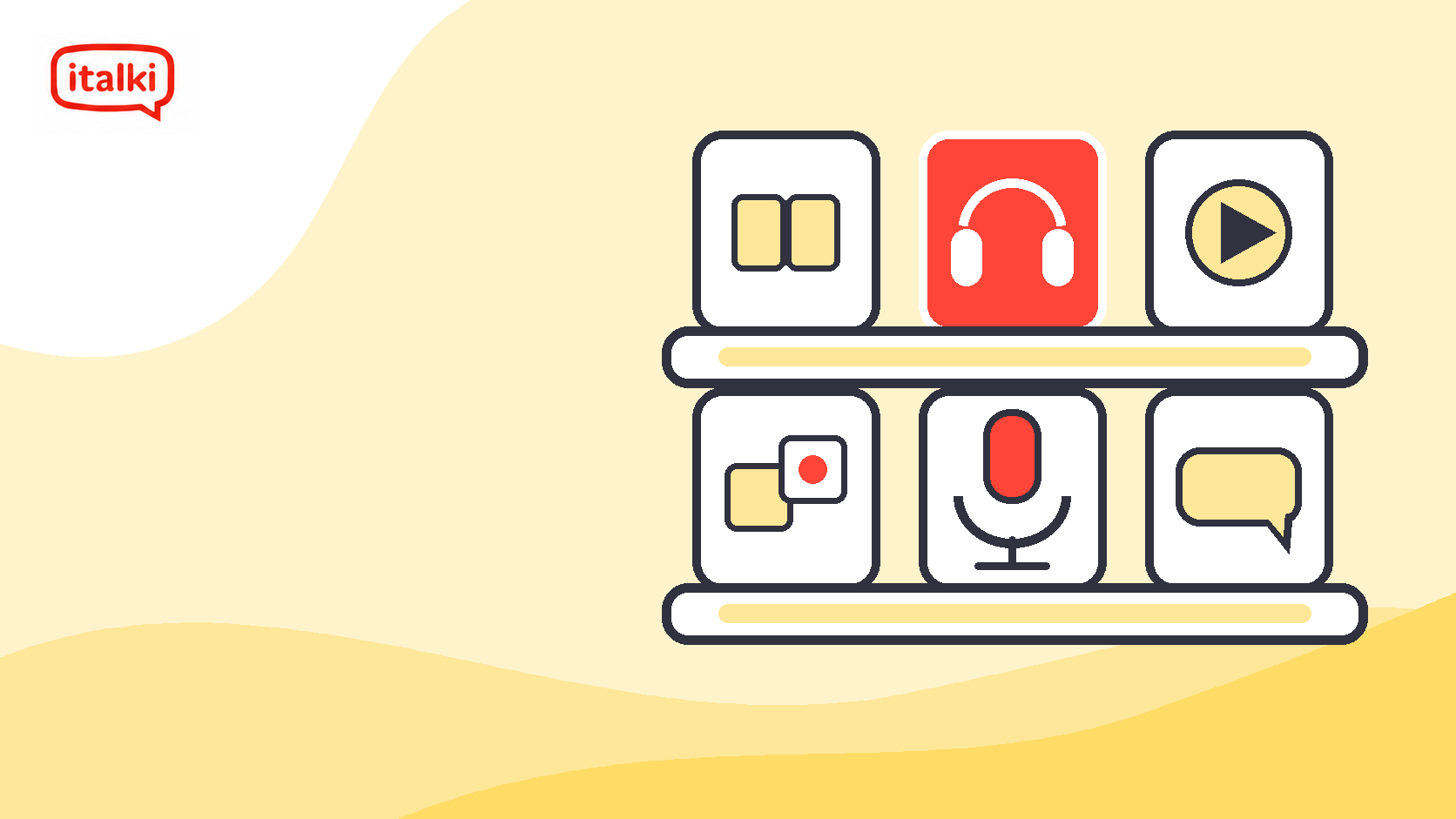
Quebec French media, by type:
| Type | Resource | What you get |
|---|---|---|
| Television | Radio-Canada, TVA, Télé-Québec | News, drama, variety shows in authentic Quebec French |
| Radio and podcast | Radio-Canada OHdio, Balado Québec | Natural speech, interviews, cultural content |
| Film | Work by Xavier Dolan, Denis Villeneuve | Quebec French in dramatic and cinematic context |
| Music | Les Cowboys Fringants, Cœur de Pirate, Loud | Colloquial expressions, rhythm, informal vocabulary |
| Written press | Le Devoir, La Presse | Written Quebec French, including formal register |
How to use media effectively:
- Watch Quebec TV with Quebec French subtitles, not English ones
- Start with content on topics you already know well, so familiar subject matter lets you focus on language rather than information
- Work on French conversation practice by pausing scenes and repeating what you heard, matching rhythm and intonation
The most common mistake here is using only European French media. Films from France and standard French apps train your ear for Parisian French. Quebec-specific content is non-negotiable if your goal is to understand real Québécois conversation.
Bring your media questions into a live session. A French tutoring online session lets you work through real phrases and expressions from your media immersion with a native speaker who can explain and correct in context.
3: Learn Quebec vocabulary and expressions
Quebec French has a significant body of vocabulary, idioms, and expressions that don’t appear in standard French dictionaries. Learning these specifically removes a major source of confusion and helps you sound natural in Quebec French conversation rather than like a translated European French speaker.
Core Quebec French vocabulary:
| Quebec French | Standard French | English |
|---|---|---|
| char | voiture | car |
| magasiner | faire du shopping | to shop |
| dépanneur | épicerie de quartier | corner store |
| blonde / chum | petite amie / petit ami | girlfriend / boyfriend |
| pogner | attraper / prendre | to catch / to get |
| niaiseux | idiot / stupide | stupid / silly |
| pantoute | pas du tout | not at all |
| tantôt | tout à l’heure | a little while ago / in a bit |
| bec | bisou | kiss |
| cossins | trucs / affaires | stuff / things |
Beyond individual words, Quebec French uses a set of religious-origin intensifiers called sacres (tabernac, câlice, crisse) that function as everyday expletives in colloquial speech. Knowing what these are, how they’re used, and when to avoid them is part of authentic cultural fluency in Quebec.
A native Quebec French tutor will teach these expressions in real conversational context, something a word list alone cannot replicate. For a structured approach to building your vocabulary foundation alongside tutor sessions, a French app can reinforce core vocabulary between lessons, though it won’t cover Quebec-specific terms.
Learn vocabulary in the context it’s really used. Book a session with a French language tutor and spend a lesson on Quebec expressions you’ve already encountered in media or conversation.
Find Your Perfect Teacher
Build real French confidence with personalized lessons from a teacher who can help with speaking, exam prep, grammar, and pronunciation.
4: Follow a structured study plan with a Quebec focus
Structure is what separates learners who make consistent progress from those who plateau. Without a plan, it’s easy to spend time on content that doesn’t move you toward your specific goal of speaking Quebec French.
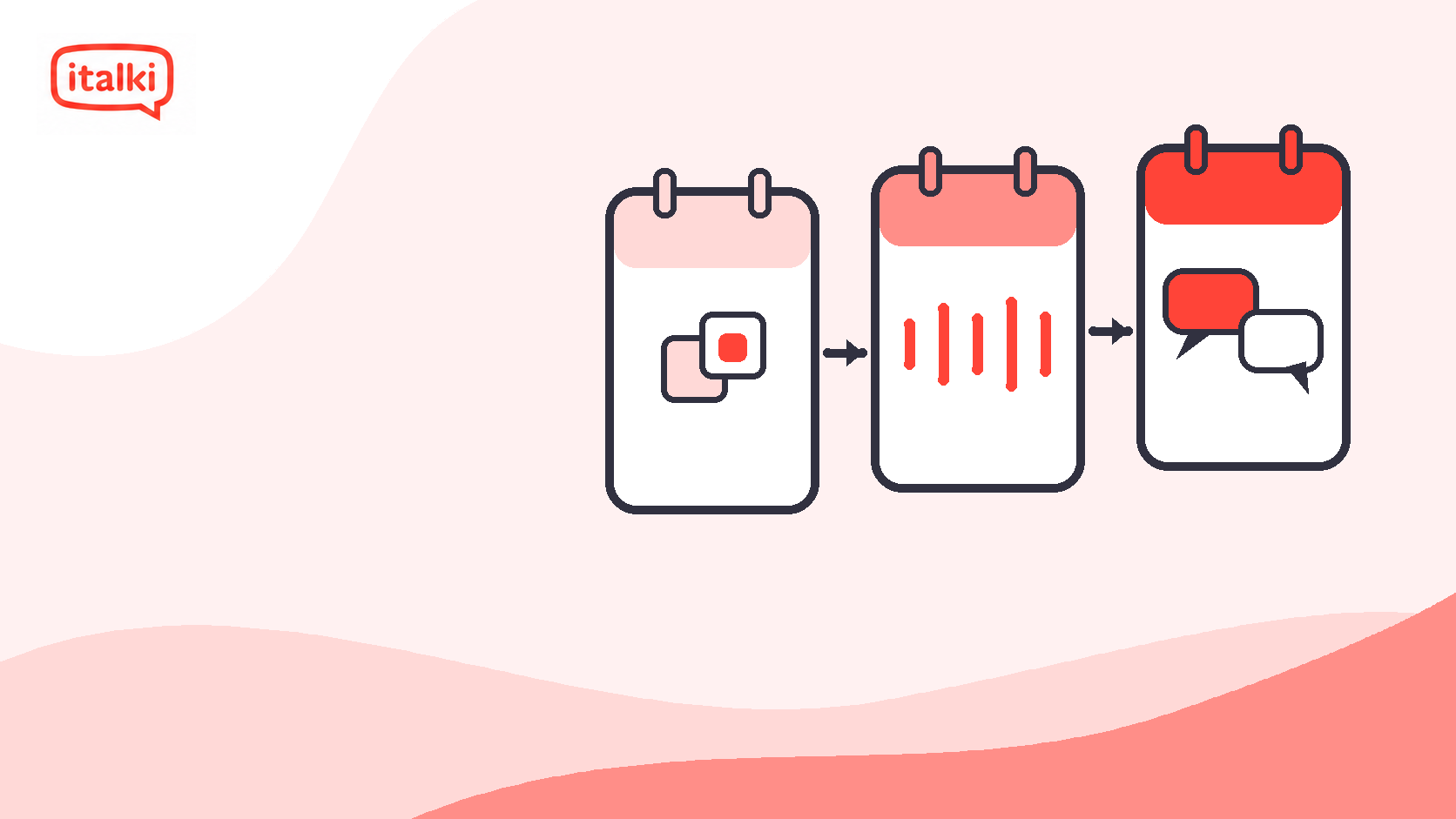
A practical weekly structure for Quebec French learners:
| Day | Activity | Duration |
|---|---|---|
| Monday | One-on-one lesson with Quebec French tutor | 45-60 min |
| Tuesday | Quebec French media (TV or podcast) with active vocabulary notes | 30 min |
| Wednesday | Grammar study and written practice | 30 min |
| Thursday | Quebec French media with repetition practice | 30 min |
| Friday | Tutor session or language exchange | 45-60 min |
| Weekend | Passive immersion: Quebec music, films, or radio | 30-60 min |
A French study plan built around Quebec-specific input gives you two advantages: you practice the dialect you’re specifically targeting, and you build the consistent speaking habit that moves you from knowledge to real ability.
The most common mistake at this stage is treating all French input as equivalent. Time on European French content is not wasted, but it doesn’t build Quebec French comprehension as efficiently as Quebec-targeted content at the same level.
Keep your speaking practice consistent. A French tutor online can review your progress, adjust your plan, and make sure your speaking sessions stay on track week to week.
5: Travel to or connect with Quebec
Direct exposure to Quebec French is the fastest route to fluency, and you don’t have to physically move to Quebec to get it. The key is creating situations where Quebec French is your only option.
Ways to get Quebec French exposure from anywhere:
- Book regular conversation sessions with Quebec French speakers on italki
- Join Quebec French language exchange groups on platforms like Tandem or Speaky
- Follow Quebec French content creators on social media
- Stream Radio-Canada or TVA during commutes and daily tasks
- Set your phone and browser to Canadian French
If you can travel, Montreal and Quebec City are the most accessible entry points. Quebec City is the more immersive option since English is far less commonly spoken there than in Montreal. For a breakdown of the professional and cultural reasons the investment pays off, why learn French in Canada covers the full case.
For learners already in Canada, connecting with Quebec French speakers through cultural events, community organizations, or local Quebec diaspora communities gives regular practice without the cost of a trip.
Connect with native Quebec French speakers on your schedule. Find an online French teacher and book sessions that focus specifically on Québécois conversation and cultural context.
How long does it take to learn Quebec French?
For learners starting from zero French, the timeline follows the same general benchmarks as standard French: the FSI Category I estimate of 600-750 classroom hours applies. For learners with existing standard French, the adjustment period is meaningfully shorter. The grammar transfers directly, and consistent Quebec French input gradually recalibrates your ear for the pronunciation and vocabulary differences.
Realistic learning timeline for Quebec French (30-45 min/day):
| Level | CEFR | What you can do | Approximate timeframe |
|---|---|---|---|
| Beginner | A1-A2 | Basic greetings, simple questions, core Quebec vocabulary | 0-3 months |
| Elementary | A2-B1 | Basic Quebec French conversations, partial media comprehension | 3-6 months |
| Intermediate | B1-B2 | Most everyday conversations, growing joual comprehension | 6-12 months |
| Upper intermediate | B2-C1 | Work discussions, full media comprehension, strong cultural literacy | 12-24 months |
For learners who already have intermediate standard French, reaching the intermediate Quebec French level is typically faster, around 3-6 months of focused dialect work.
For strategies that consistently produce the fastest progress, how do I learn French fast covers the methods that apply to Quebec French as well. Learners whose goal extends to Canadian French more broadly will also find how to learn Canadian French a useful companion resource.
Work with a tutor who matches your current level and goals. Find a tutor specializing in Quebec French and start closing the gap between classroom French and real Québécois. Book a trial lesson
Ready to speak Quebec French like a local?
Quebec French is a richly distinct variety of the language with its own sounds, vocabulary, and cultural identity. According to Statistics Canada’s 2021 Census, 7.2 million people in Quebec speak French as their mother tongue. The learners who make real progress in Québécois don’t rely on generic French apps or European French resources. They combine structured study with Quebec-specific media, deliberate vocabulary work, and regular conversation with native speakers.
Learn French faster with personal guidance from experienced French tutors online trusted by over 10 million learners worldwide. italki connects you with tutors who teach real-world French across every variety and level, from beginner conversation to advanced business French. Book a trial lesson today.
Find Your Perfect Teacher
Build real French confidence with personalized lessons from a teacher who can help with speaking, exam prep, grammar, and pronunciation.
FAQ
Is Quebec French very different from standard French?
Yes, significantly. Quebec French differs in pronunciation (the “ts/dz” affrication of t and d), vocabulary (unique words like char, dépanneur, and magasiner), and register (widespread use of joual in everyday speech). Even speakers with strong standard French will find fast, casual Quebec French difficult to follow at first.
Can I use standard French apps to learn Quebec French?
Standard French apps build a useful foundation in grammar and vocabulary. However, they won’t prepare you for Quebec pronunciation, Quebec-specific vocabulary, or the joual expressions used in everyday conversation. Supplement any app with Quebec-specific media and sessions with a native Quebec French speaker.
What is joual?
Joual is the working-class dialect of Montreal French, characterized by heavy elision, some English loanwords, and unique colloquial vocabulary. It’s spoken widely in informal contexts and throughout Quebec pop culture. Understanding joual is important for anyone who wants to follow Quebec films, music, and daily conversation.
Can I find Quebec French tutors on italki?
Yes. italki has native French speakers from Canada, including Quebec, and you can filter by region or specify your dialect preference when searching for tutors. A native Quebec French tutor will teach you authentic Québécois pronunciation, vocabulary, and expressions from your first lesson.
Do I need to learn Quebec French specifically if I already speak standard French?
If your goal is to live, work, or socialize in Quebec, yes. Standard French will get you understood, but you’ll struggle to understand native Quebec French speakers in fast, casual conversation without deliberate exposure to the dialect. Most standard French speakers need several weeks of focused Quebec French practice before the dialect feels natural.
Want to learn a language at italki?
Here are the best resources for you!