Spanish Pronunciation Guide: Vowels, Consonants, and Stress Rules
A complete Spanish pronunciation guide covering vowels, tricky consonants, stress rules, accent marks, and regional variation across Spain and Latin America.
A complete Spanish pronunciation guide covering vowels, tricky consonants, stress rules, accent marks, and regional variation across Spain and Latin America.
Master Spanish nouns with clear rules for masculine and feminine gender, plural formation, exceptions, and pronunciation tips for every ending.

Learn the Spanish conditional tense with full conjugation tables, irregular verbs, and real examples for expressing politeness, hypotheticals, and reported speech.

Understand the difference between por and para in Spanish with clear rules, real sentence examples, and a quick-reference table covering every major use.

Essential dental terms in Spanish for patient communication, tooth and procedure vocabulary, appointment phrases, describing pain, and post-care instructions.

A clear map of Spanish verb tenses – present, past, future, conditional, and subjunctive – with conjugation tables and a logical learning order.

Learn Spanish past tense with full conjugation tables for the preterite and imperfect, irregular forms, time markers, and the rule for choosing between them.

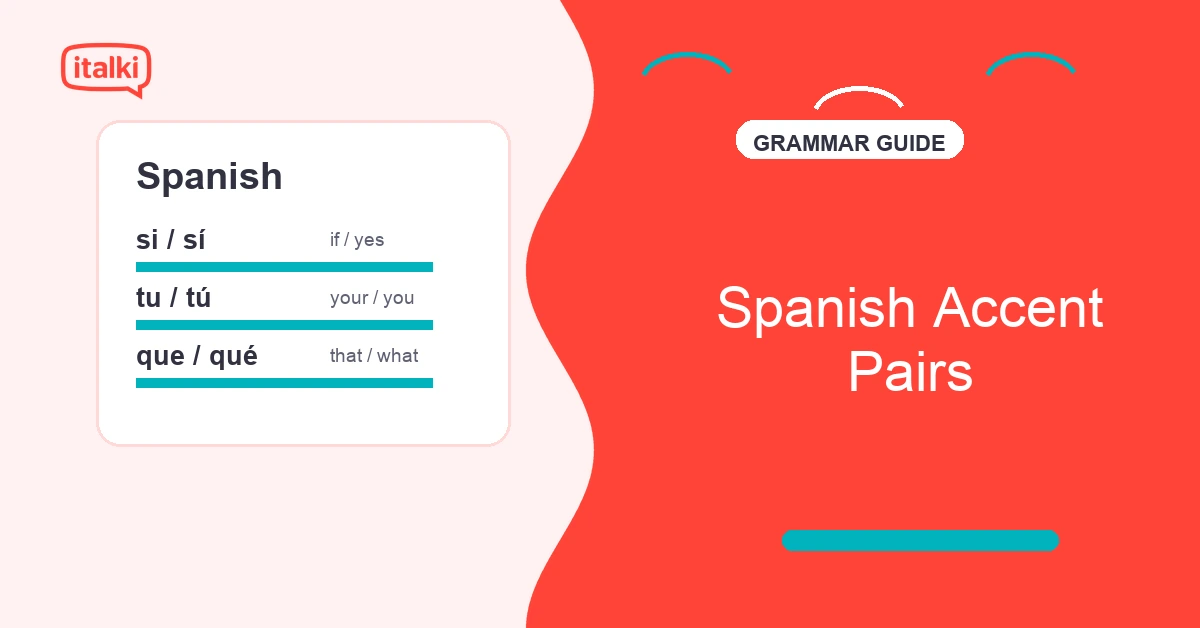
Learn Spanish heteronyms – pairs like el/él, tu/tú, si/sí – and understand how accent marks change meaning, stress, and grammar.

Learn Spanish gym vocabulary for equipment, exercises, body parts, and talking to a trainer. Practical phrases for the gym in Spanish-speaking countries.

Learn Spanish business vocabulary for meetings, emails, and professional conversations. Includes usted vs. tú guidance and formal phrase templates.

Learn fruits in Spanish with vocabulary, gender rules, regional name differences across Spain and Latin America, and practical market phrases.

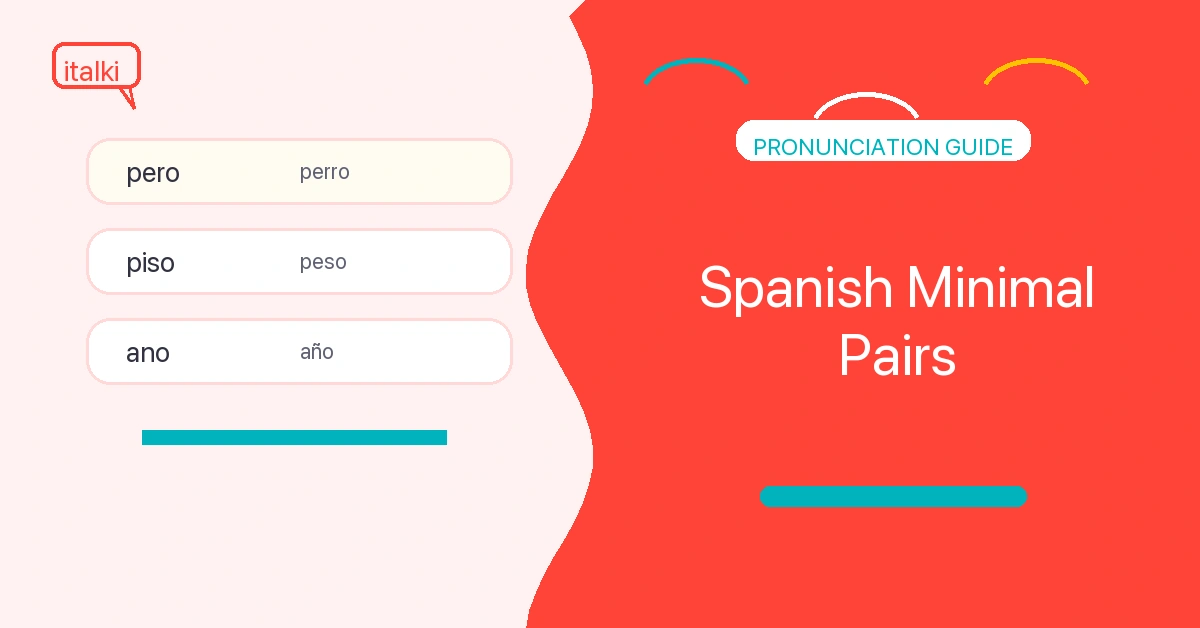
Spanish minimal pairs help beginners hear and say tricky sounds like pero vs perro, peso vs piso, and casa vs caza.

Learn Spanish accent pairs like si and sí, el and él, que and qué, with meanings, examples, and pronunciation notes.

Adjectives add color to language. They can make a simple sentence sound more interesting. In Spanish, adjectives are used to describe nouns.

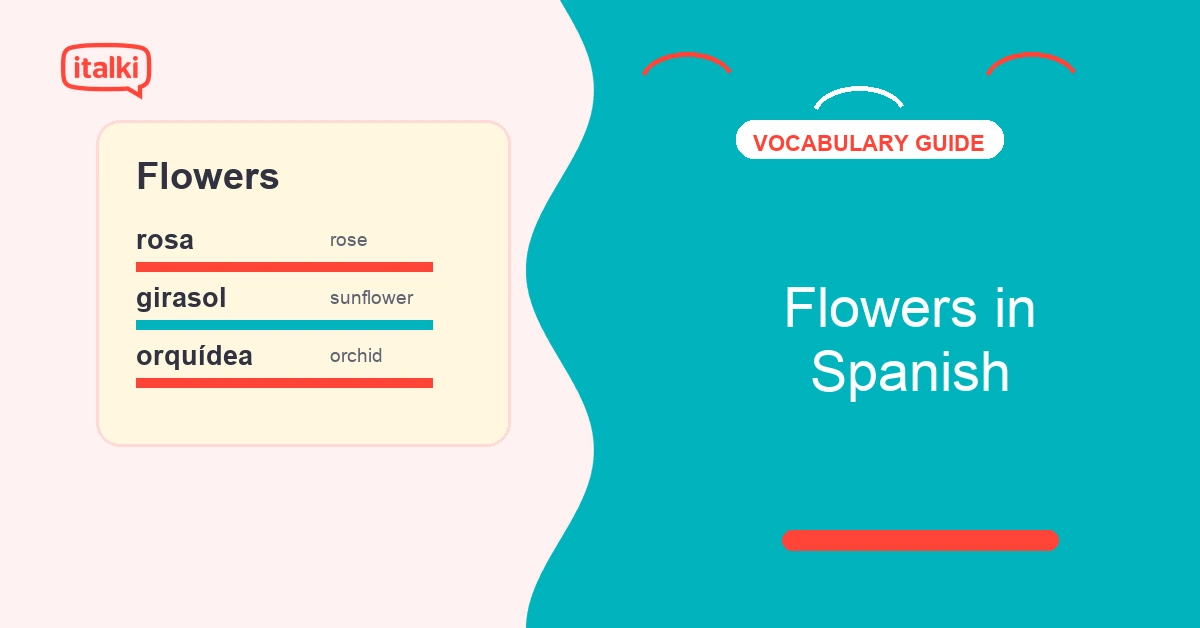
Learn flowers in Spanish with 200+ names, gender tips, pronunciation notes, regional variants, and useful flower phrases.