SpanishSpanish exam
DELE B1 Exam Guide: Format, Skills Tested, Scoring, and Preparation
DELE B1 certifies independent Spanish proficiency. This guide covers the exam format, four skills tested, passing requirements, and how to prepare effectively.
DELE B1 certifies independent Spanish proficiency. This guide covers the exam format, four skills tested, passing requirements, and how to prepare effectively.
Learn what the DELE A1 exam tests, how it is structured, how scoring works, and how to prepare for the entry-level Spanish diploma from Instituto Cervantes.
This guide highlights the 7 best online Spanish courses, their detailed description, features, and pros and cons, enabling you to choose the one that benefits you the most.
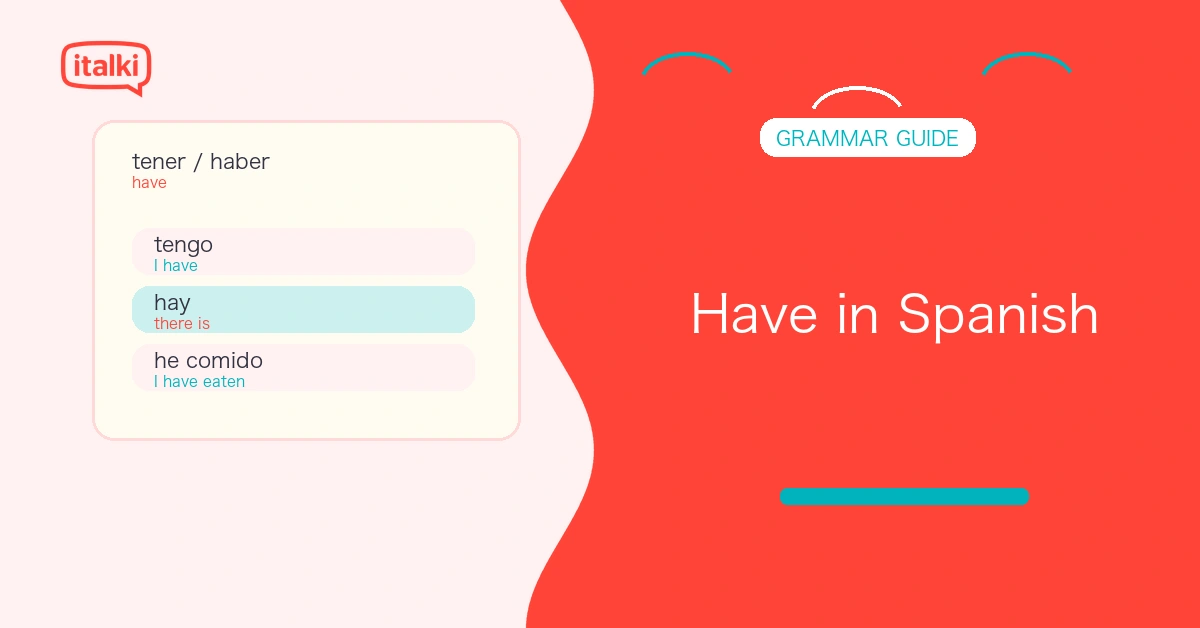
Learn have in Spanish with tener, haber, and related forms, including rules, examples, and common mistakes.
Learn Spanish for mental health professionals, including essential vocabulary, patient phrases, and dialogue examples.
Practice AP Spanish cultural comparison prompts, sample answers, structure, timing, and score-improving strategies.
Learn Spanish writing letters for formal, informal, and business contexts, with structures, phrases, and examples.
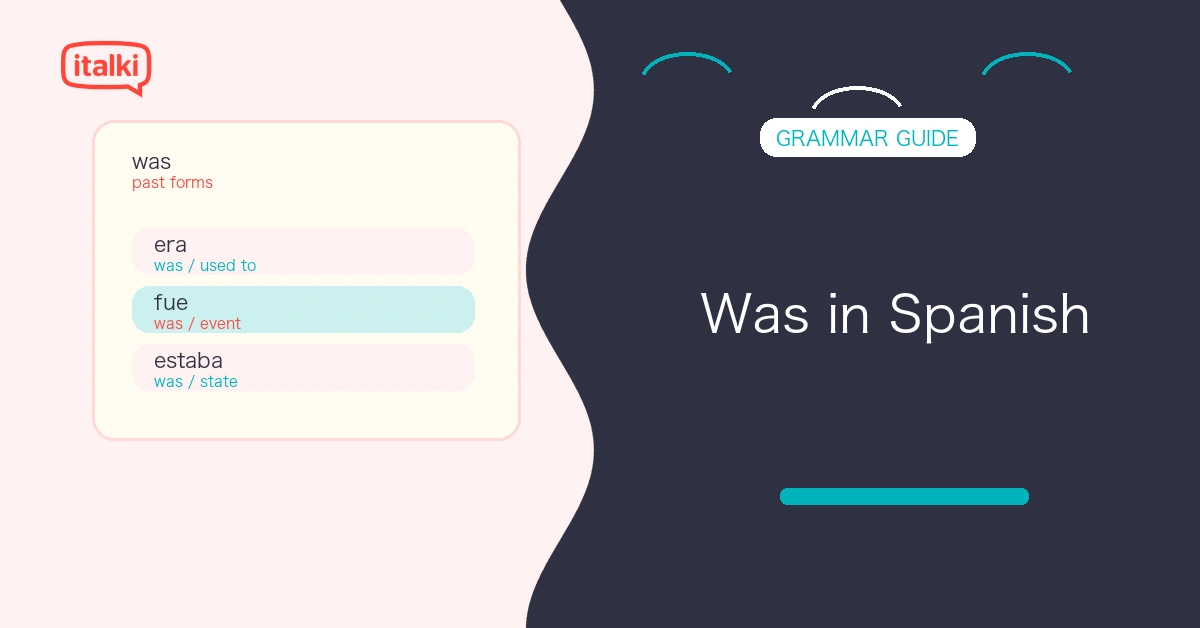
Spanish has four common past tense forms that translate as “was”: era, fue, estaba, and estuvo.
The standard way to ask “where are you from?” is ¿De dónde eres? (informal) or ¿De dónde es usted? (formal).
The most common way to ask “how much?” is ¿Cuánto cuesta? (how much does it cost?) for a single item.
The most direct way to say “shut up” in Spanish is cállate (informal singular) or cállese (formal singular), from the verb callarse.
Beginners should start with texts where they understand roughly 80 percent of the vocabulary without a dictionary.
Spanish articles (el, la, los, las, un, una, unos, unas) must agree with the gender and number of the noun they modify.
Starting with books designed for beginner readers produces far better results than trying to read literature written for native speakers.
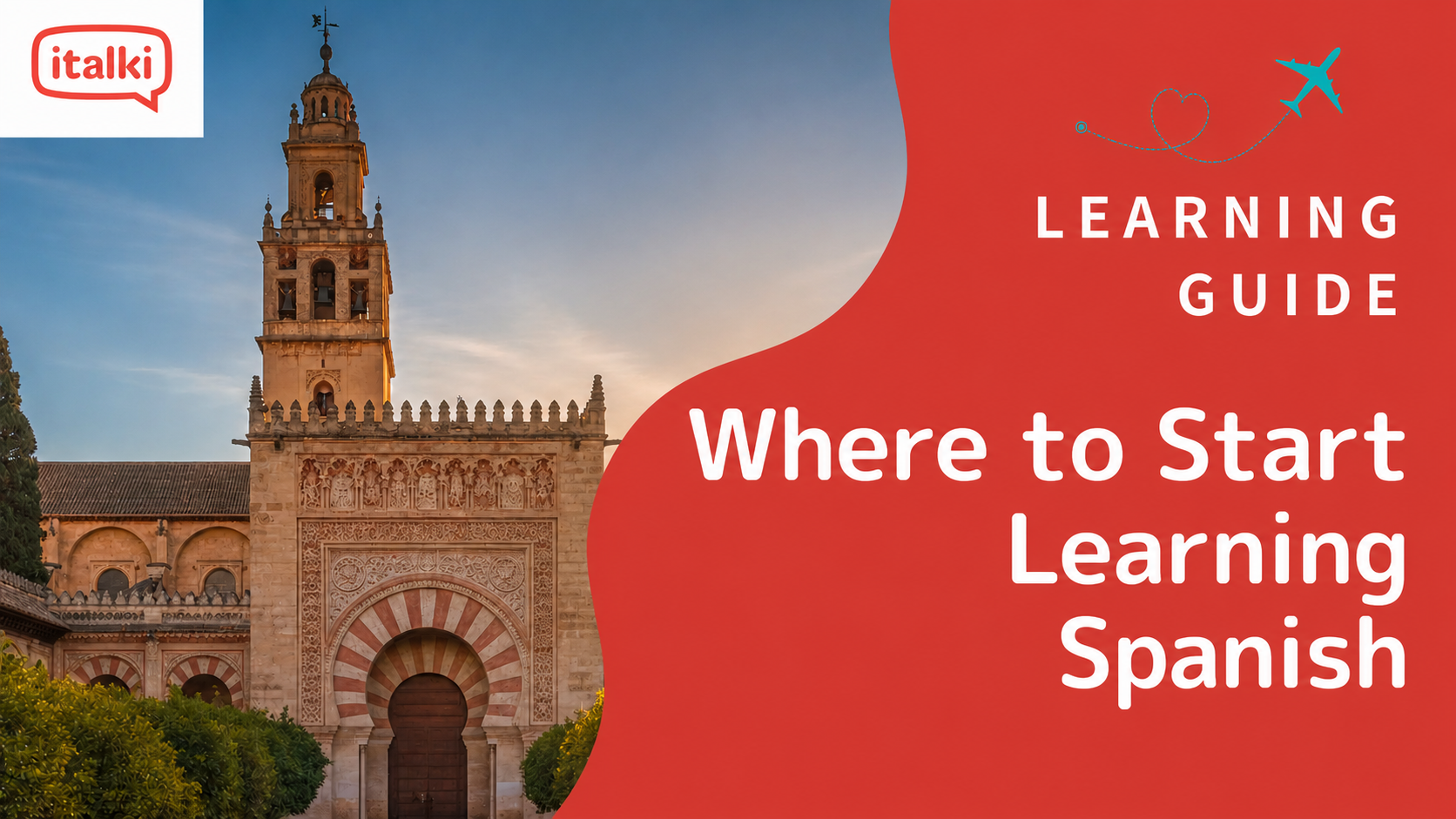
Not sure where to start with Spanish? This 2026 guide recommends beginning with a Spanish tutor on italki for a structured path, real-time feedback, and fast speaking progress, supported by free resources.