Key takeaways:
- Combining multiple resource types creates faster progress than relying on a single method
- Personal French tutoring provides essential speaking practice that apps and books can’t replicate
- The most effective resources adapt to your current level and learning goals
- Free resources and paid options exist across every category, from beginner dictionaries to advanced podcasts
- Consistency with a focused resource stack beats randomly sampling every available tool
Finding the right French learning resources can mean the difference between fluent conversations and endless grammar drills that lead nowhere. With thousands of apps, books, and platforms available, most language learners waste months testing options that don’t match their goals.
This guide makes it simple. You’ll find proven French resources across nine categories, plus ready-made resource stacks for your level. Whether you’re starting from zero or polishing your pronunciation, you’ll know exactly which tools to use and when.
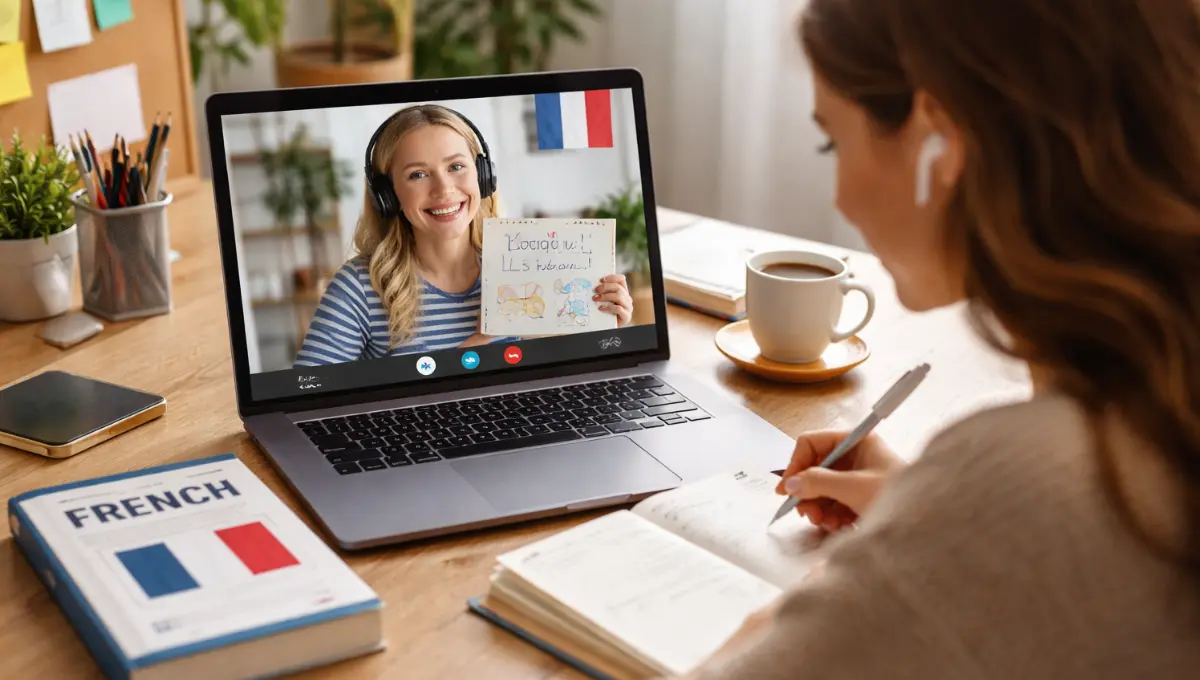
The foundation of effective French language learning is conversation practice with native speakers. That’s why thousands of French students start with French tutors who provide personalized feedback from lesson one.
Best resources to learn French
1. Online tutoring platform (italki)
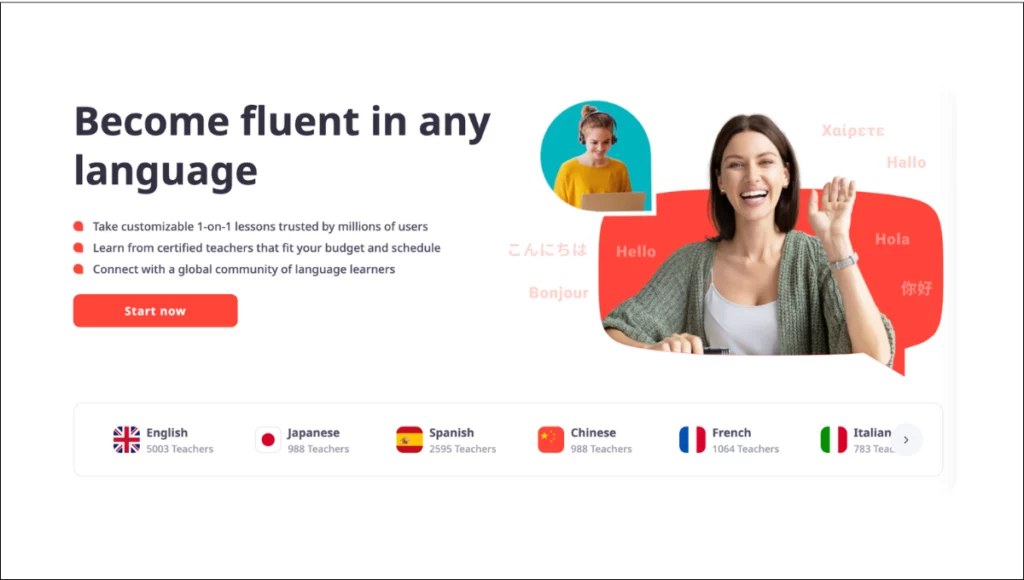
italki connects you with professional French teachers and native speakers for one-on-one video lessons. Unlike group classes or apps, you get personalized instruction focused on your specific goals.
Why italki works as your core resource:
- Choose from 20,000+ teachers and tutors across 150+ languages, with detailed profiles showing their experience and teaching style.
- Book lessons that fit your schedule at prices starting from $3, with no subscription required.
- Practice conversational French from day one instead of waiting until you “know enough grammar.”
- Get instant correction on pronunciation, grammar, and vocabulary in context
- Focus lessons on exactly what you need, whether that’s French for business, DELF exam prep, or casual conversation
- Learn from native speakers who understand your native language and can explain tricky concepts clearly. For example, you can work with English tutors for Spanish speakers, English tutors for Chinese speakers, or English tutors for Korean speakers to get guidance that’s tailored to your background.
- Track your progress with lesson notes and recordings to review between sessions
- Join a community of 5+ million learners who’ve used italki over its 15+ years of operation
2. Apps and software
Duolingo
- Gamified lessons make daily practice addictive with streaks and achievement badges
- Strong foundation in basic vocabulary and sentence patterns through spaced repetition
If Duolingo isn’t your style, there are plenty of Duolingo alternatives that offer different approaches to learning Spanish
Babbel
- Structured online courses designed by linguists, not algorithms
- Focus on practical phrases you’ll actually use while traveling or working
Busuu
- Official certificate aligned with CEFR levels (A1 to B2) after completing courses
- Native speakers provide feedback on writing and speaking exercises built into the platform
Rosetta Stone
- Immersion-based approach teaches through pictures and context without translation
- Excellent speech recognition technology for pronunciation practice and speaking skills development
Pimsleur
- Audio-focused method perfect for learning languages during commutes or workouts
- Emphasizes speaking and listening from the first lesson using spaced repetition
3. Textbooks
Easy French Step-by-Step by Myrna Bell Rochester
- Builds from basic concepts to complex grammar in logical progression
- Clear explanations with plenty of exercises after each chapter
Practice Makes Perfect series
- Separate french language textbooks targeting specific skills like verbs, conversation, or reading comprehension
- Extensive drills that reinforce patterns until they become automatic
Grammaire Progressive du Français
- Reference and practice book used in French schools worldwide
- Available at every CEFR level from débutant to avancé, serving beginners, intermediate and advanced learners
Alter Ego series
- Complete communicative method popular in Alliance Française schools
- Includes workbook, audio files, and teacher resources for structured language learning
Related Reading:
If you’re also interested in Spanish, check out our guide to the best resources for learning Spanish to see proven tools and strategies for building fluency.
4. Listening and audio resources
Coffee Break French podcast
- Friendly host explains grammar and vocabulary in English before French practice
- Progressive levels from absolute beginner to advanced, making it accessible for all language learners
InnerFrench podcast
- Slow French spoken clearly on interesting cultural topics
- Transcripts available to read along and check comprehension
France Culture
- Authentic French radio with documentaries, debates, and cultural programming
- Excellent for advanced learners wanting to understand native-speed discussion
News in Slow French
- Current events discussed at learner-friendly speeds with transcripts
- Weekly episodes cover global news, grammar lessons, and everyday french expressions
Français Authentique
- Natural French lessons focused on comprehension before production
- Practical topics about daily life, French culture, and mindset

5. YouTube channels
FrenchPod101
- Structured YouTube videos organized by level and topic
- Covers vocabulary, grammar, culture, and pronunciation systematically
Easy French
- Street interviews with real French people discussing everyday topics
- Dual subtitles in French and English help bridge comprehension gaps
Learn French with Alexa
- British teacher breaks down grammar rules in clear, simple language
- Engaging personality makes dry grammar topics entertaining
innerFrench (YouTube version)
- Video versions of the popular podcast with visuals and slides
- Monthly live sessions for Q&A and practice with the community
Piece of French
- Native speaker creates vlogs entirely in French with French subtitles
- Topics range from daily routines to cultural tips and observations
6. Grammar books & guides
English Grammar for Students of French
- Explains French grammar by comparing it to English structures
- Perfect for understanding why the French language works differently from your native language
The Ultimate French Review and Practice
- Comprehensive grammar reference with hundreds of exercises
- Organized by topic for quick reference when you need help with French grammar
French Verb Drills by R. de Roussy de Sales
- Focused practice on verb conjugations across all tenses
- Small, portable format for quick review sessions during precious time
Bescherelle: La Conjugaison pour Tous
- The definitive French verb reference used by native speakers
- Every verb conjugation you’ll ever need in one book
7. Translators & dictionaries
WordReference
- Excellent context and example sentences for each definition
- Active forums where native speakers explain nuanced differences between words and phrases
Reverso Context
- Shows how words are used in real sentences from films, books, and news
- Conjugation tool handles every verb form imaginable
Collins French Dictionary
- Comprehensive entries with usage notes and cultural context
- Both online resources and app versions available offline
Linguee
- Bilingual concordance shows professional translations in context
- Particularly useful for technical or business vocabulary in the target language
8. Language exchange & community
HelloTalk
- Text, voice, and video chat with native French speakers learning your language
- Built-in correction tools make it easy to help each other improve language skills
Tandem
- Match with language partners based on interests and goals
- Structured conversation topics help avoid awkward silences
ConversationExchange
- Find penpals, voice chat partners, or local meetups
- Simple site focused on making connections rather than flashy features
r/French subreddit
- Active community answers questions and shares French resources
- Weekly discussion threads for practice and feedback from other French students
9. AI and interactive practice
ChatGPT
- Practice writing with instant feedback on grammar and naturalness
- Explain confusing concepts or generate custom exercises on demand
Language Reactor (formerly Language Learning with Netflix)
- Watch French Netflix content with dual subtitles and instant dictionary
- Save vocabulary and create flashcards from shows you enjoy, immersing yourself in French culture
Speechling
- Record yourself speaking and receive feedback from native speakers
- Thousands of sentences organized by topic and difficulty for speaking practice
Clozemaster
- Fill-in-the-blank sentences that build vocabulary in context
- Gamified progress tracking keeps you motivated with spaced repetition
Recommended resource stacks
Complete beginners
- Start with French tutors online on italki (2-3 lessons per week) for speaking foundation and personalized guidance
- Use Duolingo or Babbel daily (15-20 minutes) for vocabulary building and basic grammar
- Add Coffee Break French podcast during commutes for listening practice
- Keep WordReference bookmarked for quick lookups of new words and phrases
- Practice with HelloTalk (2-3 times per week) once you can form basic sentences
Intermediate learners
- Continue online French tutoring on italki (1-2 lessons per week) focused on conversation and error correction
- Switch to InnerFrench podcast or News in Slow French for more complex listening
- Watch Easy French YouTube videos with French subtitles only
- Study with Practice Makes Perfect books targeting your weak areas
- Join r/French community to ask questions and read in french daily
- Use Reverso Context when writing to check natural phrasing
Intermediate learners often struggle with specific grammar points. Our article on French subjunctive breaks down one of the trickiest aspects of French grammar.
Advanced learners
- Book 1 session per week with a French language tutor on italki for debate practice, presentation skills, or professional French
- Listen to France Culture or authentic French radio in your interest areas
- Read Le Monde, French literature, or academic articles in your field
- Watch French films on Netflix with Language Reactor for vocabulary expansion
- Keep Bescherelle handy for verb conjugation quick reference
- Engage in Tandem conversations to maintain fluency and learn slang
Advanced learners looking to refine their accent should explore our guide on French pronunciation for tips on sounding more natural.

Find Your Perfect Teacher
At italki, you can find your French tutor from all qualified and experienced teachers. Now experience the excellent language learning journey!
Book a trial lesson
Tips for getting the most from French resources
- Set specific goals for each resource
Don’t just “do Duolingo.” Decide you’ll complete Unit 3 by Friday or learn 50 food vocabulary words this week. Vague intentions create vague results.
- Stack passive and active learning
Listen to podcasts while cooking, but also schedule time to actively speak with French language tutors or native speakers. Your brain needs both input and output to develop strong language skills.
- Review before adding new resources
Master what you’re currently using before downloading another app. Three French resources used consistently beat ten resources touched occasionally.
- Track what actually works for you
Some learners thrive with French language textbooks while others need conversation first. Notice which resources make French click and double down on those at one point in your learning journey.
- Use resources in French once you hit A2
Switch your dictionary to French-French definitions, watch Easy French with only French subtitles, and explain grammar to yourself in French. This accelerates thinking in the target language instead of constantly translating from your native language.
- Schedule your practice times
Resources don’t work if you don’t use them. Block specific times for lessons, app practice, and listening just like any other appointment to make the most of your precious time.
- Mix resource types within each session
A complete practice session might include an italki lesson for speaking practice, 15 minutes on a language app for vocabulary reinforcement, 20 minutes with your textbook for grammar concepts your French tutor mentioned, and 15 minutes watching a YouTube video. Variety keeps your brain engaged throughout the learning process.
Learn French faster with the right resources
The online resources in this guide work, but only if you combine them strategically and practice consistently. Most learners see real progress within 3-6 months when they focus on speaking practice alongside structured input.
Learn French online with personal guidance from expert French online tutors trusted by over 5 million learners worldwide in 190+ countries. Book a trial lesson today.
FAQ
What’s the most efficient way to learn French?
The most efficient approach combines three elements: regular conversation practice with native speakers or online French tutors, daily exposure to comprehensible input through podcasts or YouTube videos, and focused study of grammar and vocabulary. Most successful language learners spend 60% of their time on speaking and listening, 30% on reading and vocabulary, and 10% on explicit grammar study. Using italki for 2-3 weekly lessons while consuming French content daily creates faster results than months of app-only study. Focus on building language proficiency through real conversation rather than perfect grammar before you’ve started learning French. For more on this approach, read our guide on how long does it take to learn French.
What is A1, A2, B1, B2, C1, C2 in French?
These levels come from the CEFR (Common European Framework of Reference), the standard system for measuring language proficiency in any foreign language. A1 and A2 are beginner levels where you handle basic conversations and simple texts. B1 and B2 are intermediate levels where you discuss complex topics and understand most native content. C1 and C2 are advanced levels where you use French fluently in professional and academic settings, including higher education. Most learners reach B1 after 400-600 hours of study, while C1 typically requires 800+ hours. Many language lab programs and online courses structure their curriculum around these CEFR levels.
What is the 80/20 rule in learning French?
The 80/20 rule suggests that 20% of French vocabulary and grammar accounts for 80% of daily communication. This means focusing on the 1,000-2,000 most common French words and essential verb tenses (present, passé composé, future proche, imparfait) gives you enough to handle most conversations. Instead of memorizing every verb conjugation or obscure vocabulary word, prioritize high-frequency words and practice using them in real conversations. This approach gets you speaking French quickly rather than studying for years before attempting your first conversation.
Want to learn a language at italki?
Here are the best resources for you!