Key takeaways
- italki connects you with native speakers for personalized conversation practice that Rosetta Stone lacks
- Duolingo offers free daily vocabulary building while Babbel provides structured grammar lessons
- Pimsleur delivers hands-free audio lessons with stronger pronunciation practice than visual immersion
- Real fluency requires speaking practice with feedback, not just image-word matching exercises
Looking for a Rosetta Stone alternative often happens once you want more than visual immersion. Rosetta Stone is popular for learning languages through images and repetition, but many learners need structured grammar explanations, real conversation practice, or access to multiple languages.
This guide compares 5 language learning platforms that address what Rosetta Stone cannot: live speaking practice, explicit instruction on grammar rules, and personalized feedback from native speakers. You’ll discover which platforms work best for your learning style when learning a new language.
If personalized live lessons are part of your learning style, explore Spanish tutors, Japanese tutors, French tutors, English tutors, and more to to practice with native speakers from day one.
Top 5 Rosetta Stone alternatives at a glance
| Platform | Typical Pricing | Languages | Approach | Best For |
|---|---|---|---|---|
| italki | From $4/lesson | 150+ | Live tutoring | Real conversation practice |
| Babbel | $15.99/mo (3-mo min) | 14 | Structured lessons | Self-paced grammar study |
| Duolingo | Free (Premium $13/mo) | 40+ | Gamified practice | Daily vocabulary building |
| Pimsleur | $20-$21/mo | 50+ | Audio drills | Hands-free learning |
| Busuu | $13.99/mo | 14 | App + peer feedback | Budget-friendly option |
These platforms represent different approaches to language learning. For a comprehensive comparison of language learning apps beyond Rosetta Stone alternatives, explore our best apps for learning languages guide.
What are the best alternatives to Rosetta Stone?
1. italki
Best for: Live conversation and speaking practice
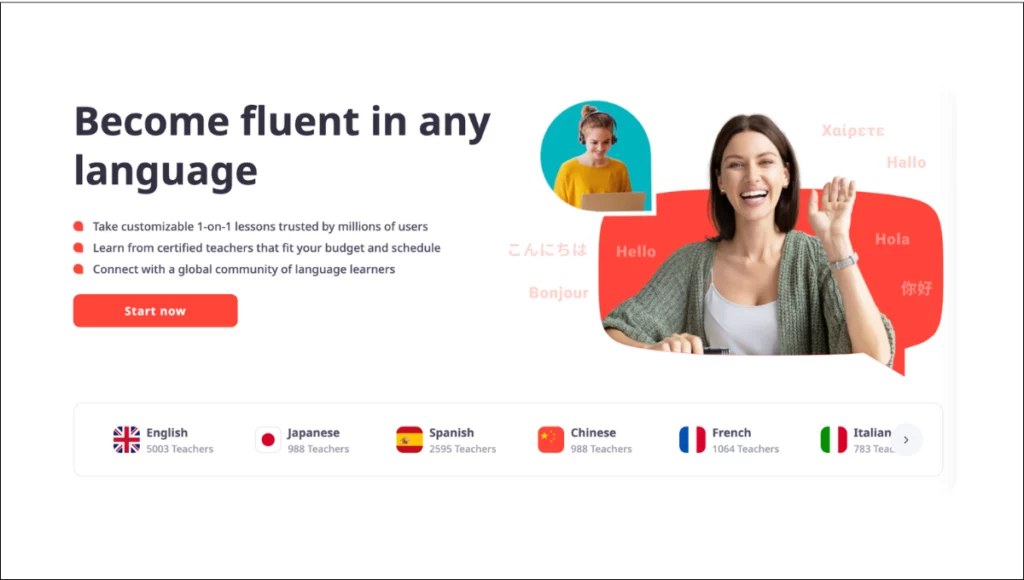
italki solves Rosetta Stone’s core limitation by connecting language learners with qualified tutors for real conversation. The platform’s flexible scheduling allows busy learners to fit lessons into unpredictable routines, making consistent speaking practice possible where fixed language courses fail.
Unlike Rosetta Stone’s one-size-fits-all curriculum, italki tutors personalize every lesson to your target language goals, whether business communication, travel preparation, or exam practice. This approach speeds up your learning because lessons focus on what you actually need, not generic content.
How italki differs from Rosetta Stone:
- Real-time conversation practice: Speak with native speakers who respond naturally and correct mistakes immediately, developing spoken language fluency that solo apps cannot build.
- Personalized grammar explanations: When you struggle with grammar rules, tutors explain concepts adapted to your native language background and learning needs, making complex structures clear.
- 150+ languages available: Access Asian languages, rare dialects, and specialized tutors beyond Rosetta Stone’s 25-30 options, supporting any target language goal. Choosing which language to focus on? Our guide on the best languages to learn can help prioritize based on career, travel, and personal goals.
- Pay-per-lesson flexibility: Book sessions from $4 without subscription, often costing less than Rosetta Stone’s while providing actual human interaction.
- Trial lessons with multiple tutors: Test different teaching styles with discounted first sessions, ensuring you find a tutor who matches your learning style before committing to regular practice.
Trusted by 10M+ language learners worldwide for 15+ years, italki makes speaking practice accessible through mobile apps and web platform regardless of your schedule or location.

Find Your Perfect Teacher
Get personalized lessons from native tutors who’ll help you speak naturally, not just correctly.
Book a trial lesson
2. Babbel
Best for structured grammar
Babbel provides language courses with explicit instruction on grammar rules that Rosetta Stone’s immersion method omits. Lessons explain structures first with examples, then apply them through dialogues for practical situations.
How Babbel differs from Rosetta Stone:
- Grammar explained clearly: Rules broken down with examples before practice exercises
- Topic-based organization: Lessons grouped by themes (travel, work, daily life) rather than random images
- Speech recognition included: App provides pronunciation practice feedback during lessons
If you’re exploring different options, check out our Babbel alternatives guide for other apps with structured grammar-focused lessons.
3. Duolingo
Best for daily practice and gamification
Duolingo makes daily language learning accessible through gamification at no cost. The free app covers basic vocabulary and grammar through exercises that take just a few minutes, fitting practice into any schedule.
How Duolingo differs from Rosetta Stone:
- Free access: No cost vs Rosetta Stone’s $299 lifetime access or monthly subscription
- Gamified motivation: Streaks, points, and achievements maintain engagement for consistent practice
- 40+ languages offered: Broader selection than Rosetta Stone for learning languages
Duolingo works well as a supplementary tool, though like Rosetta Stone, it focuses primarily on recognition rather than conversation. Our Duolingo alternatives comparison explores this limitation in depth alongside other app-based language learning platforms.
4. Pimsleur
Best for audio learning
Pimsleur teaches through audio lessons using listening and repetition. Each 30-minute session focuses on pronunciation practice and listening comprehension, making it ideal for commuters or busy schedules.
How Pimsleur differs from Rosetta Stone:
- Hands-free learning: Practice while driving, walking, or doing chores without visual requirements
- Pronunciation emphasized: Drills focus on spoken language accuracy through repetition
- 50+ languages available: Strong selection including less common options for learning a language
5. Busuu
Best for community features
Busuu combines structured app lessons with community feedback where native speakers correct your exercises. This peer interaction provides human feedback that Rosetta Stone lacks.
How Busuu differs from Rosetta Stone:
- Free version available: Basic tier provides access vs Rosetta Stone’s paid-only model
- Native speaker corrections: Community members provide feedback on your exercises
- CEFR-aligned courses: Lessons follow standardized language levels (A1-B2) for clear progression
How does italki compare to other Rosetta Stone alternatives?
| Platform | Live Speaking Practice | Grammar Support | Languages Offered | Pricing Flexibility |
|---|---|---|---|---|
| italki | ✅ With tutors | ✅Personalized | 150+ | Pay per lesson |
| Babbel | ❌ | ✅ Structured | 14 | Subscription only |
| Pimsleur | ❌ | ❌ | 50+ | Subscription only |
| Busuu | ❌ | ✅ Peer-reviewed | 14 | Subscription with free tier |
| Duolingo | ❌ | Limited | 40+ | Free + Premium |
How do I choose the right Rosetta Stone alternative?
Choose based on what Rosetta Stone cannot provide for your specific language learning needs. Consider your primary goal, available budget, and preferred learning style when comparing language learning platforms.
Key factors to consider:
Your learning goal:
- Conversation fluency – Live tutoring with speaking practice
- Grammar understanding – Platforms with explicit instruction
- Basic vocabulary – Free gamified apps
- Pronunciation practice – Audio lessons or live feedback
Budget reality:
- Free options: Duolingo, Busuu basic tier
- Best value for conversation: italki pay-per-lesson
- Fixed monthly costs: Babbel, Pimsleur
Time availability:
- Just a few minutes daily – App-based practice
- Weekly hour sessions – Live tutoring
- Commute time – Audio lessons
Quick decision guide:
For conversation fluency – Choose italki because real-time feedback from native speakers builds spoken language skills faster than solo practice. Tutors correct mistakes immediately and adapt explanations to your needs, accelerating progress that apps alone cannot achieve.
For self-paced grammar study – Choose Babbel if you prefer learning grammar rules through structured lessons without live interaction.
For free daily practice – Choose Duolingo if budget constraints prevent paid options and you need consistent vocabulary building.
For hands-free learning – Choose Pimsleur if commute time or multitasking suits audio-based learning better than screen-based apps.
For budget peer feedback – Choose Busuu if you want human corrections without professional tutoring costs.
Compare more language learning platforms: Preply alternatives | italki vs Cambly | italki vs Preply| italki vs Lingoda | italki vs Vebling
Which platform delivers the best results?
Most language learning apps focus on recognition skills, and you’ll improve reading, listening comprehension, and understanding of your target language. However, real fluency requires spoken language practice with native speakers who can provide immediate feedback on pronunciation and grammar rules.
This is why the most effective language learners combine methods: apps for reviewing basic vocabulary, digital flashcards, or short videos, and live tutoring for personalized speaking practice. While Rosetta Stone develops recognition through images and repetition, it lacks the interactive feedback needed to truly master grammar and converse confidently.
italki allow you to schedule one-on-one lessons with native speakers, making it easier to practice key phrases, construct own sentences, and build spoken language skills in your target language. When paired with app-based learning for grammar rules, vocabulary lists, or fun videos, this blended approach helps learners progress faster and retain new words more effectively.
Find Your Perfect Teacher
Get personalized lessons from native tutors who’ll help you speak naturally, not just correctly.
Book a trial lesson
FAQ
Is there anything better than Rosetta Stone?
Yes. italki provides live speaking practice with native speakers, personalized grammar rules, and it’s super affordable. Unlike Rosetta Stone, it emphasizes active conversation essential for spoken language skills.
What is a good alternative to Rosetta Stone?
Depends on your goal: italki for conversation fluency, Duolingo for daily vocabulary practice, Babbel for grammar focus, Pimsleur for audio-based pronunciation practice, Busuu for peer feedback.
Can you become fluent with Rosetta Stone?
Not alone. Real fluency requires conversation with native speakers and personalized feedback. Use Rosetta Stone as a supplement for basic vocabulary while relying on platforms like italki for active practice.
Want to learn a language at italki?
Here are the best resources for you!