Key takeaways
- italki works best when speaking is the priority, thanks to personalized one-on-one lessons and real-time correction from tutors.
- Babbel suits learners who want structure and clear grammar explanations.
- Pimsleur fits audio-first learners who prefer speaking out loud through repetition.
- Busuu and Memrise can work on a budget, though both have limits.
- If your goal is real conversation, italki offers the most direct path.
You might start thinking about Duolingo alternatives once learning feels repetitive. Many language learners can recognize words and phrases and complete daily practice, yet still hesitate when speaking in their target language. If your goal is real conversations, that gap becomes clear.
Duolingo is a popular language learning app designed for beginners. Bite sized lessons, gamified exercises, and a free version make it easy to start learning languages. But as you progress, exercises often focus on vocabulary building rather than sentence structure or speaking exercises, which are essential for real-life communication.
This guide is for learners who want skills that carry over into everyday use. You’ll see how the best Duolingo alternatives handle speaking practice, grammar explanations, pronunciation feedback, and support for both European languages and Asian languages.
If personalized live lessons are part of your learning style, consider exploring Spanish tutors, Japanese tutors, French tutors, English tutors early to get direct guidance.
What should a good Duolingo alternative offer?
A strong Duolingo alternative should support real language learning, not just habit building.
At a minimum, it should include:
- Speaking practice beyond isolated words
- Clear grammar lessons with usable examples
- Pronunciation practice with feedback
- Lessons built around sentence structure and meaning
- Support for different languages
For serious learners, access to native speakers and real conversations makes a noticeable difference. Apps that combine structured lessons with live interaction tend to support long-term progress better than most gamified apps.
Top 7 Duolingo alternatives at a glance
| Platform | Pricing range | Learning approach | Languages offered | Best for |
| italki | From $4 per lesson | One-on-one lessons with tutors | 150+ | Personalized speaking practice with natives |
| Babbel | $15.99/mo (3-mo min) | Structured app-based lessons | 14 | Grammar-focused learners |
| Rosetta Stone | $15.95/mo (3-mo min.) | Visual immersion without translation | 25 | Visual, intuitive learning |
| Busuu | $13.99/mo | App lessons + community feedback | 14 | Peer correction and structure |
| Pimsleur | $20-$21/mo | Audio-led speaking drills | 50+ | Audio-first learning |
| Lingoda | $10-$17/class for group classes, $21-$42/class for private classes | Live small group classes | 5 | Scheduled group speaking |
| Memrise | $24.99/mo | Gamified vocabulary practice | 35+ | Vocabulary building |
Best Duolingo alternatives
1. italki
Best for speaking practice and real conversations
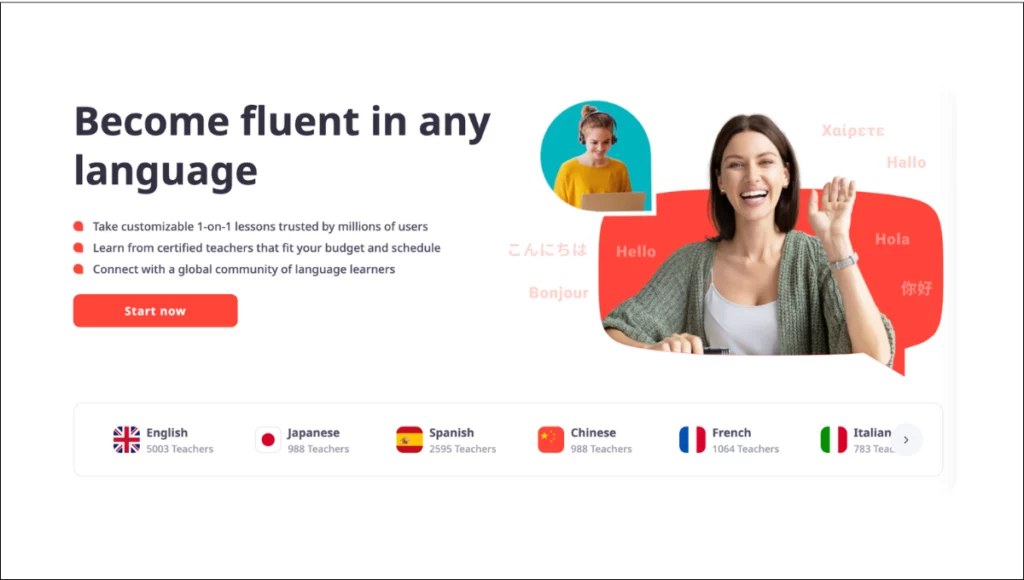
italki is the leading online platform for personalized language learning, built around one-on-one lessons with native tutors. More than 30,000 teachers support learners across multiple languages, and over 10 million learners already trust the platform worldwide.
Whether you’re looking for structured lessons, test prep, or a tutor who speaks your native language, it’s easy to find someone who fits your needs. For example, you can work with English tutors for Spanish speakers, English tutors for Chinese speakers, or English tutors for Korean speakers to get guidance that’s tailored to your background. You can also switch tutors anytime if you want to try a different teaching style or approach.
When comparing italki vs Duolingo, the difference becomes clear once speaking takes priority. italki is designed for learners who want real conversations helping learners apply what they know in practical situations.
Key features
- Live lessons with native speakers
- Personalized lesson plans tailored to your learning style and target language
- Grammar explanations and pronunciation feedback in context
- Support for European languages, Asian languages, Mandarin Chinese, and more
- Flexible scheduling for busy learners
Pros
- Builds speaking confidence through real conversation
- Lessons adapt to your level and goals
- Offers real life conversations and cultural context
- Suitable for serious learners aiming for fluency
- Over 150 languages are available
Cons
- Paid platform (no fully free version but has discounted trial lessons)
- No gamified lessons for habit-building

Find Your Perfect Teacher
Get personalized lessons from native tutors who’ll help you speak naturally, not just correctly.
Book a trial lesson
2. Babbel
Best for structured grammar learning
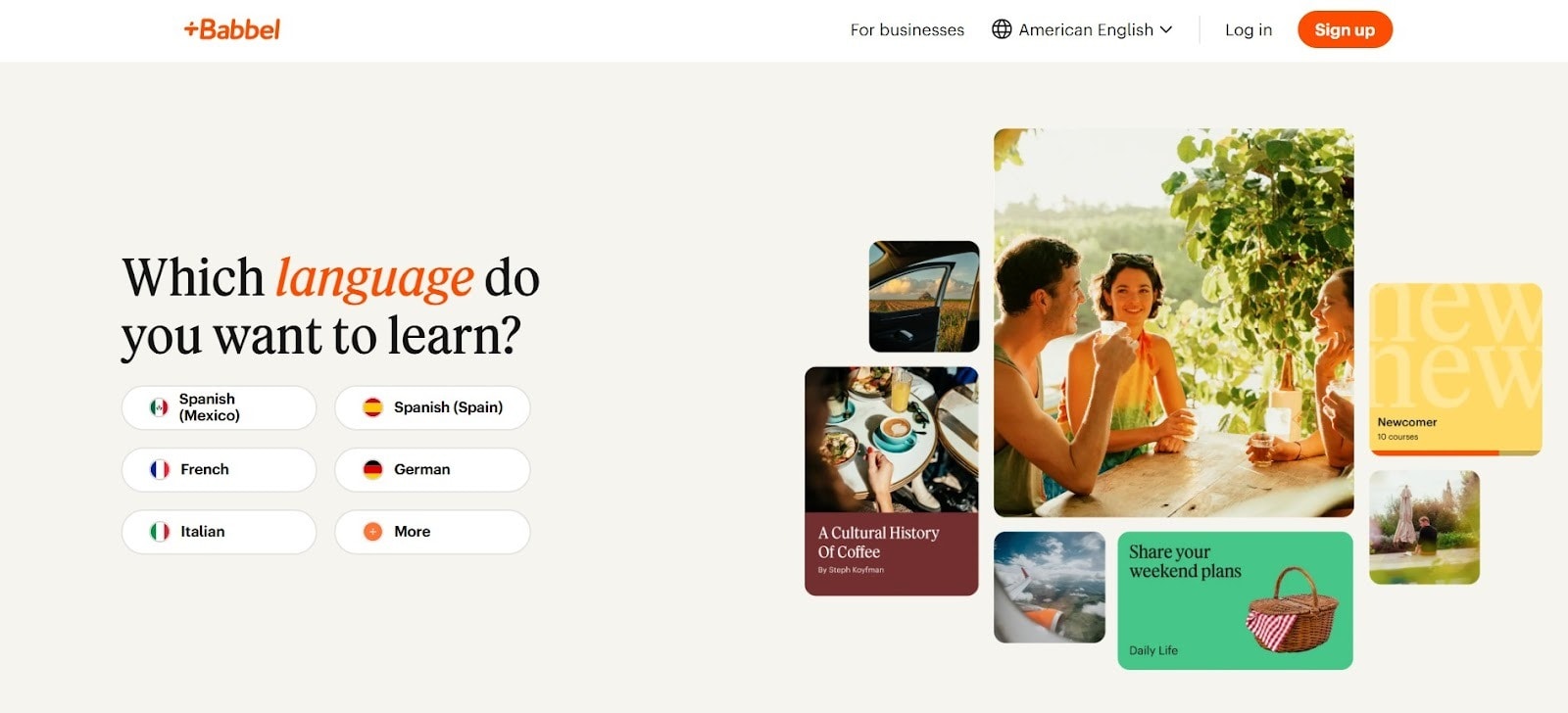
Babbel is a paid app that places more weight on grammar focus and sentence structure than most free apps. Lessons are organized as a language course, with clear progression and explanations.
Key features
- Short, guided, bite sized lessons.
- Explicit grammar explanations tied to practical examples.
- Speech recognition for pronunciation comparison.
- Review system that revisits past material.
Pros
- Clear lesson order with defined goals.
- Direct focus on sentence structure.
- No ads or gamified distractions.
Cons
- No access to native speakers for real conversations.
- Limited language range compared to marketplaces.
- Progress depends on self-discipline.
- Limited speaking practice
3. Rosetta Stone
Best for visual learners
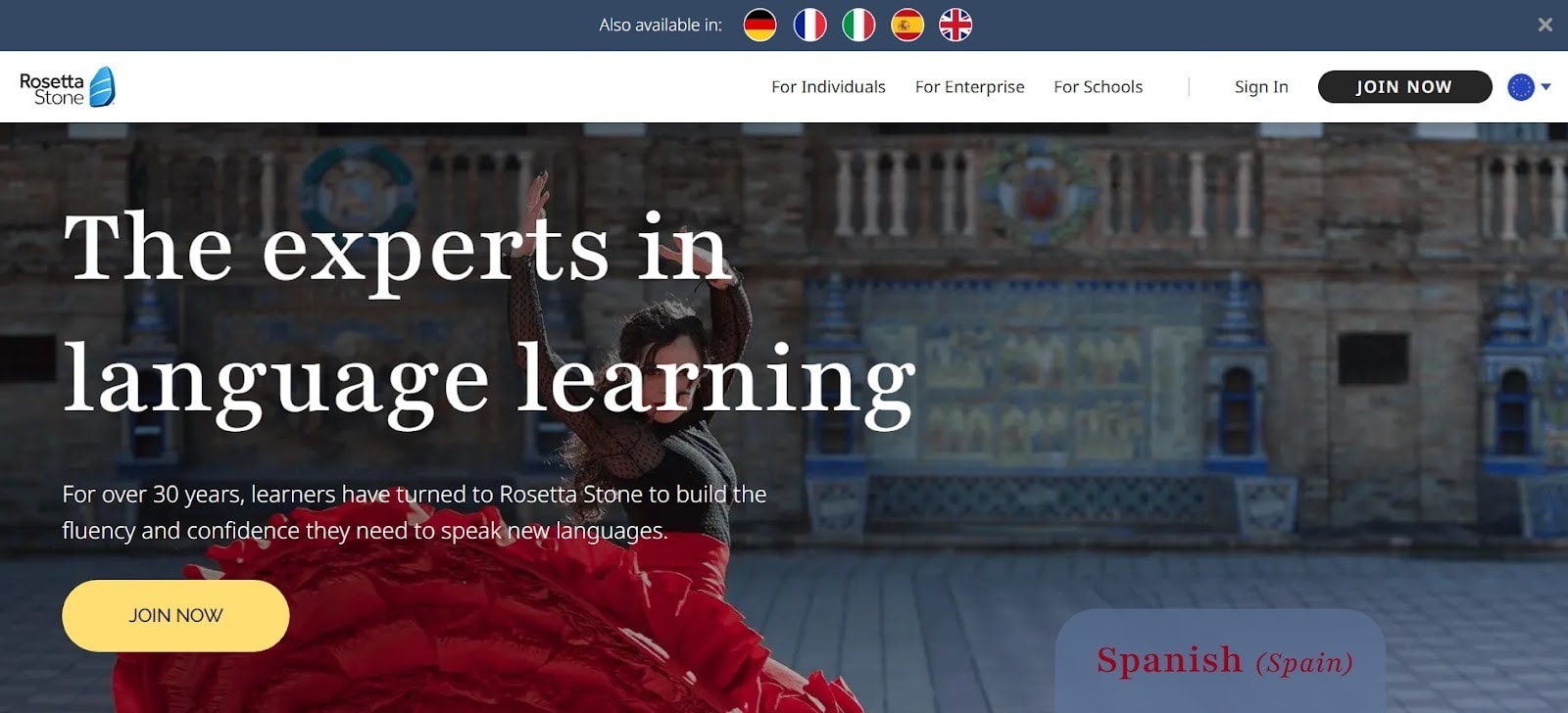
Rosetta Stone approaches learning through immersion rather than translation. Meaning forms through images, sound, and repetition instead of explicit explanation. This method often appeals once Duolingo feels abstract, though speaking may still feel distant.
Key features
- Visual lessons built around interactive exercises.
- Listening-led progression through audio lessons.
- Built-in speech recognition for pronunciation feedback.
- Offline access on mobile apps.
Pros
- Image-based learning without translations.
- Repetition reinforces recognition over time.
- Pronunciation feedback is integrated.
Cons
- Grammar rules are not explained directly.
- Sessions can feel repetitive.
- No pricing transparency.
4. Busuu
Best for community features
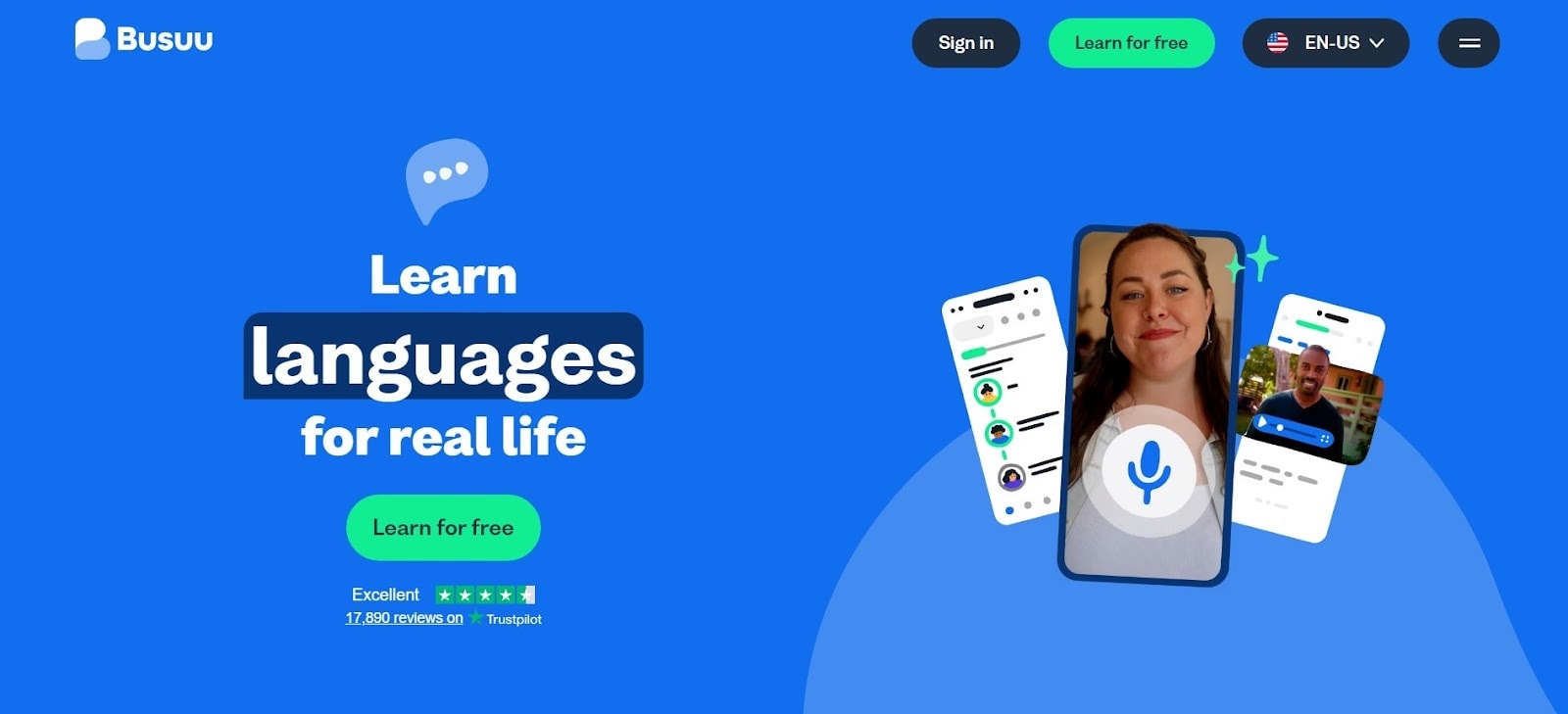
Busuu shifts learning from solo drills to interactive community-based practice. Progress comes from submitting work and receiving feedback, which becomes important once Duolingo feels repetitive but speaking practice still feels uncertain.
Key features
- Community corrections on writing and speaking exercises.
- Structured vocabulary lessons with review cycles.
- Course paths aligned with language levels.
- Review system based on spaced repetition.
Pros
- Community-based feedback replaces silent practice.
- Lessons include grammar notes and review loops.
- Certificates are available for some levels.
Cons
- Free access is restricted.
- Speaking practice depends on other users responding.
- Depth of content varies by language.
5. Pimsleur
Best for audio-based learning

Pimsleur focuses on listening and speaking when screen-based drills feel limiting. Progress comes from speaking out loud and listening actively rather than tapping or reading. This approach appeals to learners seeking hands-on oral practice while maintaining a daily routine.
Key features
- Daily 30-minute audio sessions built around recall.
- Voice checks during drills for basic pronunciation.
- Supplemental tools for reviewing words and phrases.
- Mobile access with offline mode learning.
Pros
- Hands-free lessons fit commuting or walking.
- Repetition supports memorization over time.
- Audio-first format reduces screen reliance.
Cons
- Limited reading and writing practice.
- Few explanations beyond modeled usage.
- Drill format can feel repetitive.
6. Lingoda
Best for small group classes
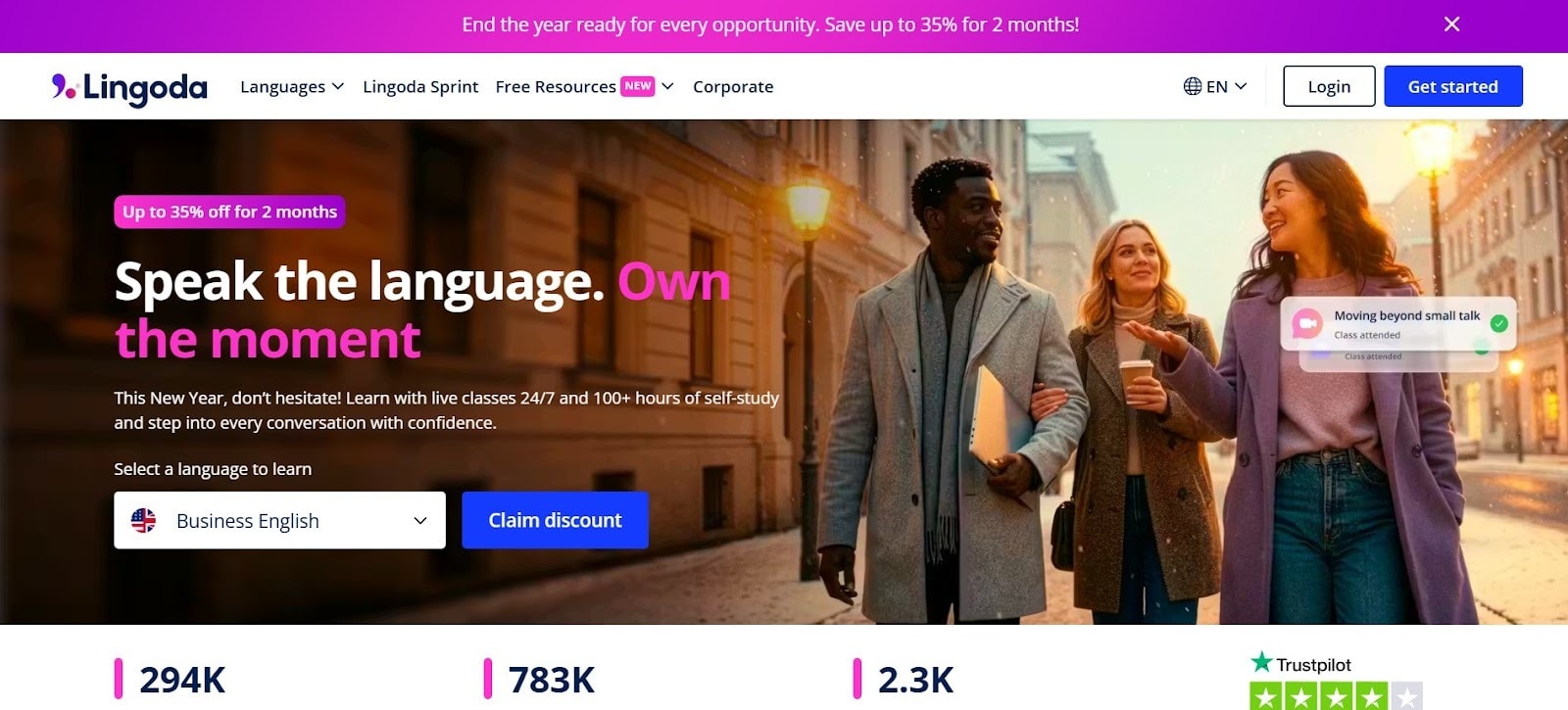
Lingoda moves language learning away from solo screens and into scheduled classes with teachers. Progress depends on showing up and participating rather than tapping through exercises, which becomes especially relevant once Duolingo alternatives feel too repetitive.
Key features
- Live classes led by teachers.
- Small groups with limited student numbers.
- Fixed lesson plans tied to levels.
- Optional intensive Sprint programs.
Pros
- Live interaction for speaking exercises.
- Regular schedules add accountability.
- Level-based structure supports progression.
Cons
- Fewer language options overall.
- Inconvenient because it locks you in a bundle.
- Schedules may limit flexibility.
7. Memrise
Best for learning vocabulary and phrases
Memrise focuses on memorization rather than conversation. Progress comes from repetition, visuals, and short prompts. That approach usually feels familiar after Duolingo, since most gamified apps rely on similar mechanics.
Key features
- Spaced repetition drills for learning vocabulary.
- Short videos tied to new words.
- Community-made courses alongside official ones.
- Gamified lessons similar to other apps.
Pros
- Visual prompts support memorization.
- Large library of vocabulary material.
- Free access covers basic use.
Cons
- Minimal grammar explanations or sentence structure guidance
- No real speaking practice or live interaction
- Works best alongside another tool for conversation
- Course quality varies across user content.
Language specific Duolingo alternatives:
- Duolingo Alternatives for Learning Japanese
- Duolingo Alternatives for Learning Chinese
- Duolingo Alternatives for Learning Spanish
- Duolingo Alternatives for Learning French
How to choose the right Duolingo alternative
Choosing a Duolingo alternative depends on your goals and how you prefer to learn. Not every language learning app fits every learner.
Consider these factors:
- Your learning style: If you respond best to structured lessons and explanation, a course‑based app might help. If your priority is speaking practice, platforms that connect you with native speakers, like italki, are especially valuable.
- Focus on skills: For building real conversation skills, tools with live interaction and personalized feedback rise above apps limited to drills and gamified exercises. That’s especially true if you want pronunciation feedback that adjusts to your speaking, not just recognition.
- Language options: Confirm your target language is supported, whether it’s a European language, an Asian language, or less common choices like Brazilian Portuguese.
- Practice format: Think about how you like to fit practice into your day. Some learners prefer daily practice through quick app lessons, while others benefit more from scheduled live sessions that build accountability.
- Budget and flexibility: Free apps are good for early stages, but paid platforms often include deeper grammar explanations, real speaking time, and consistent feedback that help you move beyond basics.
italki stands out because it supports real conversation with native tutors and adapts to your level and goals. If live speaking and personalized correction are priorities, it’s a natural fit, whether you’re refining basic speech or advancing toward fluency.
Pro tip: You can combine tools to cover different needs. Use one app for vocabulary lessons and review, another for grammar focus, and a platform like italki for live speaking exercises and tailored feedback.
Duolingo vs top alternatives: A complete feature comparison
| Platform | Personalization | Real conversation | Best stage |
|---|---|---|---|
| Duolingo | Low | No | Early |
| italki | High | One-on-one | Any |
| Babbel | Medium | No | Early to mid |
| Busuu | Medium | Peer-based | Mid |
| Pimsleur | Low | Guided | Early |
| Lingoda | Medium | Live groups | Mid |
| Memrise | Low | No | Use alongside other tools |
Looking to find a tutor in a location near you?
Connect with a tutor from these popular timezones.
Which platform is right for you?
- You want real conversations and personalized correction – italki (also the overall best choice for consistent, meaningful progress)
- You want grammar focus and structured progression – Babbel
- You want peer feedback without scheduling live lessons – Busuu
- You want to strengthen vocabulary and listening – Memrise
- You like visual, context-based learning – Rosetta Stone
- You want live group classes with teachers – Lingoda
- You want audio-focused practice on the go – Pimsleur
Why italki is overall best:
- Live speaking exercises with native speakers. Meaning direct feedback from real tutors, not AI or generic exercises
- Personalized lessons tailored to your learning style and target language
- Real-time pronunciation feedback and guidance on grammar
- Flexible scheduling and multiple language options (Covers 150+ languages)
- Suitable for beginners through advanced learners
- Pay-per-lesson options for maximum flexibility.
Learn at your own pace with personal guidance from 30,000+ expert tutors trusted by over 10 million learners worldwide across 150+ languages. Start learning with italki today.
Find Your Perfect Teacher
Get personalized lessons from native tutors who’ll help you speak naturally, not just correctly.
Book a trial lesson
FAQ
What is the best alternative to Duolingo?
For learners who want progress that carries into real‑world conversation, italki is the best alternative to Duolingo. It pairs you with live tutors and native speakers for personalized speaking practice, real‑time pronunciation feedback, and tailored guidance that helps you use language beyond drills and recognition exercises.
What is the #1 best language learning app?
The “best” language learning app depends on your goals. For learners who want real conversation, personalized feedback, and steady progress, italki stands out. One-on-one lessons with native tutors let you practice speaking, get corrections in real time, and tailor learning to your level and interests.
Other apps may work well for vocabulary, grammar, or structured lessons, but italki offers the most complete path for turning knowledge into real-world speaking skills.
Can you become fluent with only Duolingo?
No. Fluency comes from speaking with native speakers and receiving feedback, which Duolingo alone does not offer consistently. Platforms like italki fill this gap by connecting you with real native tutors for regular, personalized speaking practice.
Are paid alternatives to Duolingo worth it?
Yes. Once you’ve moved past basics, paid alternatives often make a meaningful difference because they offer more feedback, structure, and speaking opportunities than free drills alone.
Want to learn a language at italki?
Here are the best resources for you!