Key takeaways
- italki connects you with native speakers for personalized conversation practice that Babbel’s pre-recorded lessons can’t match . You’ll speak with real teachers who adapt to your goals instead of following a fixed course
- Apps like Duolingo and Mango Languages offer completely free options – you can start learning without paying anything, though you’ll eventually need conversation practice to become fluent
- Different platforms fit different learning styles – live conversation practice with native speakers (italki), immersion-only (Rosetta Stone), gamified vocabulary building (Duolingo), or cultural context with grammar (Mango Languages)
If you’re searching for a Babbel alternative, you’re probably frustrated with repeating the same scripted exercises without actually speaking your target language. Babbel’s structured approach helps you build vocabulary and understand grammar, but many learners hit a wall when they realize they can’t hold a real conversation.
The problem isn’t you, it’s that most apps treat language learning like memorizing words and phrases in isolation. You complete daily lessons, rack up streaks, and pass quizzes, but freeze up when someone actually speaks to you.
Several language learning apps take a different approach. Some platforms, like italki with over 5 million learners, prioritize real conversations with native speakers over pre-recorded audio. These options range from free apps that make learning feel like a game to affordable language classes where you practice with actual humans who provide feedback on your pronunciation and grammar.
Whether you need Spanish tutors for business meetings, Japanese tutors to prepare for the JLPT exam, French tutors for an upcoming trip, or English tutors to improve your professional communication, you’ll find platforms that connect you with native speakers who adapt to your learning style.
Want to learn a language at italki?
Find your tutor today!
Top 4 Babbel alternatives at a glance
| Platform | Typical Pricing | Languages | Approach |
|---|---|---|---|
| italki | From $4/lesson | 150+ | Live online classes with native speakers (1-on-1 + group classes) |
| Duolingo | Free – $13/mo | 40+ | Gamified practice |
| Rosetta Stone | $15.95/mo (3-mo min.) | 25 | Visual immersion without translation |
| Mango Languages | $11.99/mo | 70+ | Self-paced with cultural context and grammar breakdowns |
What are the best alternatives to Babbel?
1. italki
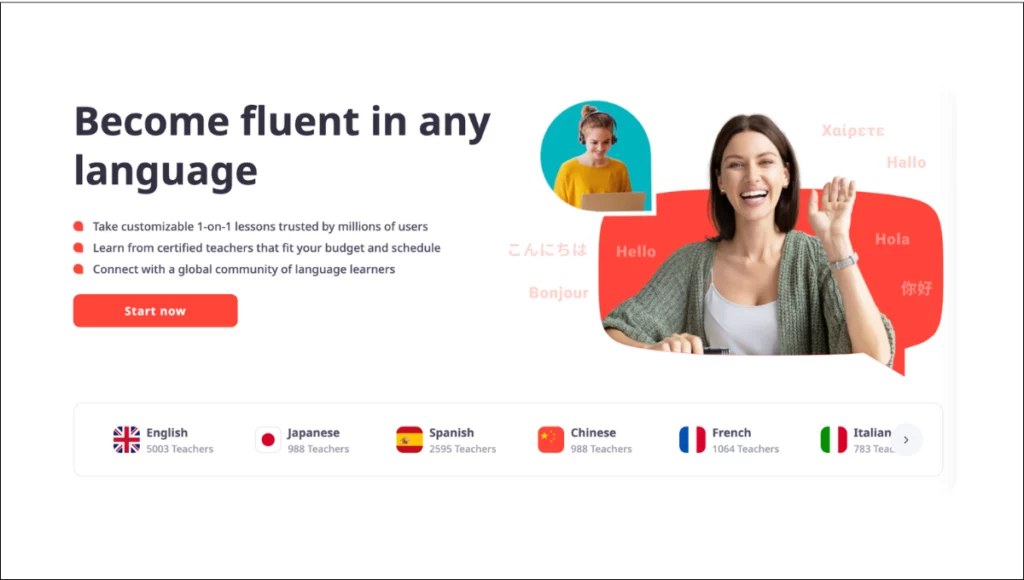
Best for: Learners who want to actually speak a new language through real conversations with native speakers
italki is the leading online platform for personalized language learning, built around one-on-one lessons with native tutors. More than 20,000 teachers support learners across multiple languages, and over 5 million learners already trust the platform worldwide.
Unlike Babbel’s pre-recorded lessons, you practice your target language in live video sessions where teachers adapt to your learning style, correct your mistakes in real-time, and focus on the specific topics you care about.
The platform offers both one-on-one lessons and small groups across 150+ languages. You choose your teacher based on their experience, teaching style, and student reviews, then book classes that fit your schedule. Most sessions cost $4-$25 per hour, making it more affordable than traditional language courses while giving you actual speaking practice.
How italki differs from Babbel:
- Personalized learning path: Your teacher designs lessons around your goals (travel, business, exams, conversation practice) instead of following a fixed curriculum everyone gets
- Immediate feedback on spoken words: Teachers catch pronunciation errors and grammar mistakes as you speak, not after you’ve already practiced incorrectly
- Real-world context: Learn idiomatic phrases and cultural habits that native speakers actually use, not just textbook translations
- Flexible scheduling: Book lessons whenever you’re free, from 30 minutes to multiple hours per week, without being locked into Babbel’s structured course progression.
- Teacher variety: You can work with with teachers who speak your native language, whether you need Spanish classes for English speakers, English tutors for Chinese speakers, or French lessons for English speakers. Get guidance that’s tailored to your background.
Become fluent in any language on italki
2. Duolingo
Best for: Building vocabulary through quick, gamified daily lessons
Duolingo makes learning language feel like playing a mobile game. The free version gives you access to bite-sized lessons that teach new words and phrases through pattern recognition and repetition. You earn points, unlock levels, and compete with friends while building your vocabulary.
How Duolingo differs from Babbel:
- Completely free option: Unlike Duolingo, Babbel requires a paid version from day one
- Gamification focus: Streaks, leaderboards, and achievements keep things interesting for casual learners
- Shorter lessons: 5-10 minute sessions versus Babbel’s longer structured courses
The platform works well for beginners building everyday vocabulary, but lacks the grammar explanations and structured progression Babbel offers. Super Duolingo ($13/month) removes ads and adds offline access, but you still won’t get live classes or personalized feedback from native speakers.
Most people using Duolingo enjoy the fun approach to learning new words, but struggle to have real conversations because the app doesn’t provide practice speaking with actual humans. If you’re looking for more speaking opportunities, check out these Duolingo alternatives that prioritize conversation practice.
3. Rosetta Stone
Best for: Immersive learning without English translations
Rosetta Stone teaches your target language entirely through images, context clues, and native speaker audio. The method mimics how you learned your native language as a child, showing you pictures paired with spoken words rather than providing translations or grammar rules.
How Rosetta Stone differs from Babbel:
- Immersion-only approach: No grammar explanations in English, forcing you to learn through context like a child would
- Speech recognition technology: Practice pronunciation with automated feedback, though it’s less helpful than real people
The immersion method works for visual learners, but many people find it frustrating when they can’t get clear explanations of grammar concepts.
Rosetta Stone costs significantly more than most apps, especially if you want access to multiple languages. The lifetime membership covers one language, while Babbel’s subscription gives you all their available languages. For more options, explore these Rosetta Stone alternatives.
4. Mango Languages
Best for: Learning through cultural context and grammar breakdowns
Mango Languages combines grammar explanations with cultural insights about the countries where your target language is spoken. Each lesson breaks down why sentences work the way they do, helping you understand the building blocks instead of just memorizing phrases.
How Mango Languages differs from Babbel:
- Free library access: Many public libraries offer Mango Languages for free to cardholders
- Cultural notes: Lessons include context about customs, traditions, and social norms
- Voice comparison: Record yourself and compare your pronunciation to native speaker examples
The platform teaches 70+ languages including Asian languages and less common options that Babbel doesn’t offer. Lessons incorporate news segments, music videos, and real-world content to keep things interesting beyond basic vocabulary exercises.
However, Mango Languages doesn’t provide live classes or opportunities to practice with real people. You can build a strong foundation in grammar and vocabulary, but you’ll need to find conversation partners elsewhere to develop fluent speaking language skills.
How does italki compare to other Babbel alternatives?
| Platform | Live Speaking Practice | Grammar Support | Languages Offered | Pricing Flexibility |
|---|---|---|---|---|
| italki | ✅ With tutors | ✅ Personalized | 150+ | Pay per lesson |
| Babbel | ❌ | ✅ Structured | 14 | Subscription only |
| Duolingo | ❌ | Limited | 40+ | Free + Premium |
| Rosetta Stone | Optional group classes | ❌ | 25 | 3‑month plan+ Lifetime subscription |
| Mango Languages | ❌ | ✅ Detailed breakdowns | 70+ | Subscription per month |
Most language apps focus on vocabulary and grammar through pre-recorded content. You repeat the same lesson format whether you’re stuck on verb conjugations or ready to discuss specific topics in your profession. This works for building a foundation, but it doesn’t prepare you for real conversations.
italki takes a different approach by connecting you directly with teachers who adjust every lesson to your needs. If you’re learning Spanish for business meetings, your teacher focuses on professional vocabulary and formal grammar. If you need to pass the JLPT exam in Japanese, you practice the exact question formats that appear on the test.
The platform’s 20,000+ teachers give you options most language learning apps can’t match. You can take trial lessons with different teachers until you find someone whose teaching style fits how you learn. Some students prefer structured lessons with homework, while others want casual conversation practice. Both options exist on italki at prices that match your budget.
Unlike apps where you practice alone, italki teachers provide feedback on your specific mistakes. They catch pronunciation errors before they become habits, explain grammar in ways that make sense to you, and share the idiomatic phrases native speakers actually use. This personalized attention speeds progress faster than any automated course.
Compare teacher profiles and prices
How do I choose the right Babbel alternative?
Your ideal platform depends on three factors: your learning goals, available time, and budget.
Choose italki if you want to speak fluently. Real conversations with native speakers build speaking confidence faster than any app-based course. The flexible scheduling fits lessons into your routine, and trial lessons start at just $4 so you can find the right teacher.
Choose Duolingo if you’re a complete beginner on a tight budget. The free version teaches basic vocabulary without financial commitment, though you’ll eventually need conversation practice to actually speak.
Choose Rosetta Stone if you learn best through immersion. The no-translation approach works for visual learners, and the lifetime access makes sense if you plan to study one language intensively over several years.
Choose Mango Languages if your library offers free access. The cultural context and detailed grammar explanations provide a solid foundation, though you’ll need conversation partners elsewhere to develop speaking skills.
The best results come from combining approaches. Many learners use free apps like Duolingo to build vocabulary between live lessons on italki, giving you both grammar foundation and speaking practice.
For a full breakdown of how italki stacks up against Babbel on pricing, lesson format, and speaking practice, read italki vs Babbel.
Compare more language learning platforms: Preply alternatives | Baselang alternatives | italki vs Cambly | italki vs Preply| italki vs Lingoda | italki vs Vebling

Which platform delivers the best results?
Research on language learning consistently shows the same pattern: people who practice speaking with native speakers reach fluency faster than those who study alone with apps. You can complete every lesson in Babbel’s course and still freeze up in real conversations because scripted dialogues don’t prepare you for the unpredictable flow of actual communication.
italki’s approach addresses this directly. When you speak with a teacher in real-time, you learn to think in your target language instead of translating from your native language. You practice the specific vocabulary you’ll actually use, not generic tourist phrases you might need someday.
The platform’s learner reviews show this pattern repeatedly. Students report having their first real conversation in their target language within weeks of starting lessons, not months or years. Teachers adapt lessons based on what you struggle with, so you spend time on what helps instead of completing pre-built courses that may not address your specific challenges.
Ready to practice with native speakers? Learn faster with personal guidance from 30,000+ expert tutors trusted by over 10 million learners worldwide. Book a trial lesson today and start having real conversations in your target language.

Find Your Perfect Teacher
Get personalized lessons from native tutors who’ll help you speak naturally, not just correctly.
Book a trial lesson
FAQ
Can you get fluent using Babbel?
Babbel can help you build vocabulary and understand basic grammar, but fluency requires speaking practice with real people. Most learners using only Babbel reach an intermediate reading level but struggle with spontaneous conversation because the app doesn’t provide opportunities to practice with native speakers. You’ll need to supplement Babbel with conversation practice through language exchange partners, online classes, or platforms like italki to develop fluent speaking skills.
What’s better than Babbel?
italki offers better results for most learners because live lessons with native speakers accelerate speaking fluency faster than pre-recorded content. You get personalized feedback, flexible scheduling, and practice with real conversations instead of scripted dialogues. Lessons typically cost between $4-$25 per hour, often less than Babbel’s subscription when you consider the value of one-on-one instruction.
Want to learn a language at italki?
Here are the best resources for you!