FrenchFrench phrases
Happy New Year in French: Wishes, Greetings, and Example Messages
The fuller greeting Bonne Année et Meilleurs Voeux (Happy New Year and best wishes) is common in both spoken and written contexts.
The fuller greeting Bonne Année et Meilleurs Voeux (Happy New Year and best wishes) is common in both spoken and written contexts.
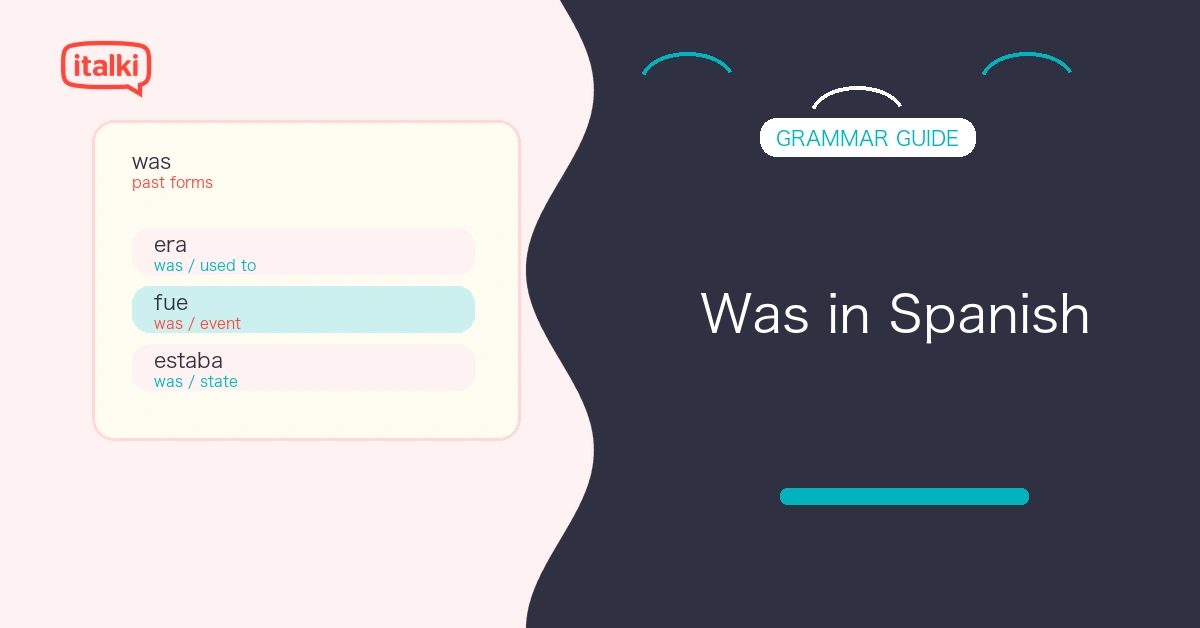
Spanish has four common past tense forms that translate as “was”: era, fue, estaba, and estuvo.
The standard way to ask “where are you from?” is ¿De dónde eres? (informal) or ¿De dónde es usted? (formal).
The most common way to ask “how much?” is ¿Cuánto cuesta? (how much does it cost?) for a single item.
The most direct way to say “shut up” in Spanish is cállate (informal singular) or cállese (formal singular), from the verb callarse.
The timeline varies enormously based on study intensity, method, and how much speaking practice you get.
Games work for language learning because they create repeated exposure to vocabulary and grammar in low-stakes contexts.
Mandarin Chinese has four tones plus a neutral tone; the same syllable means different things in different tones.
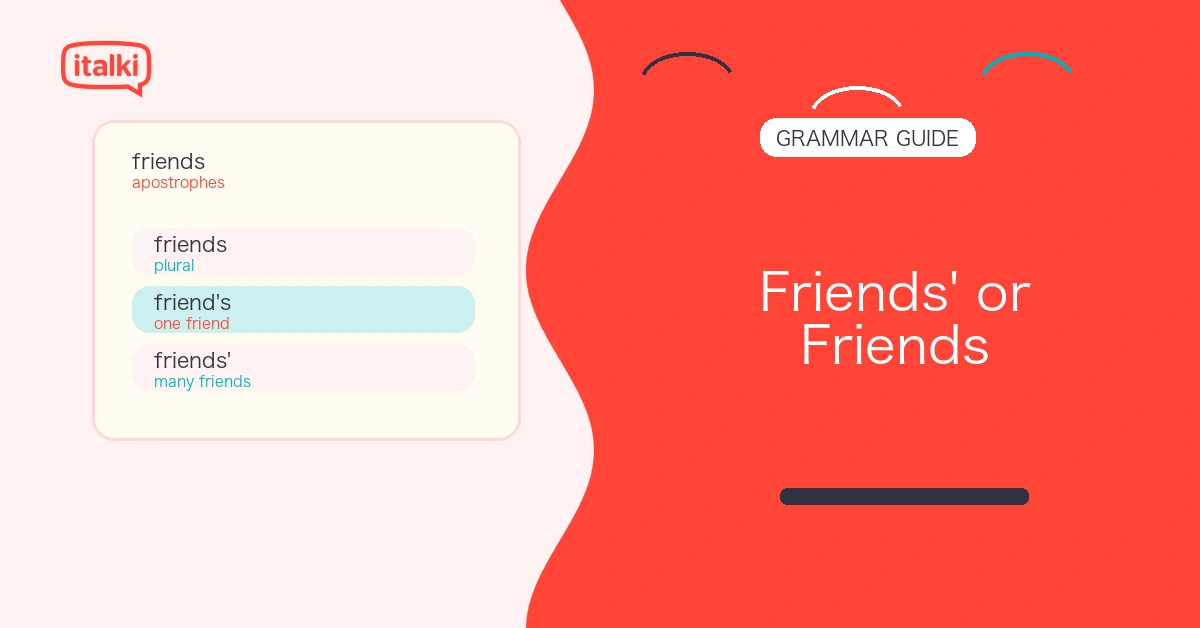
An apostrophe never forms a plural. If you are just talking about more than one friend, no apostrophe is needed.
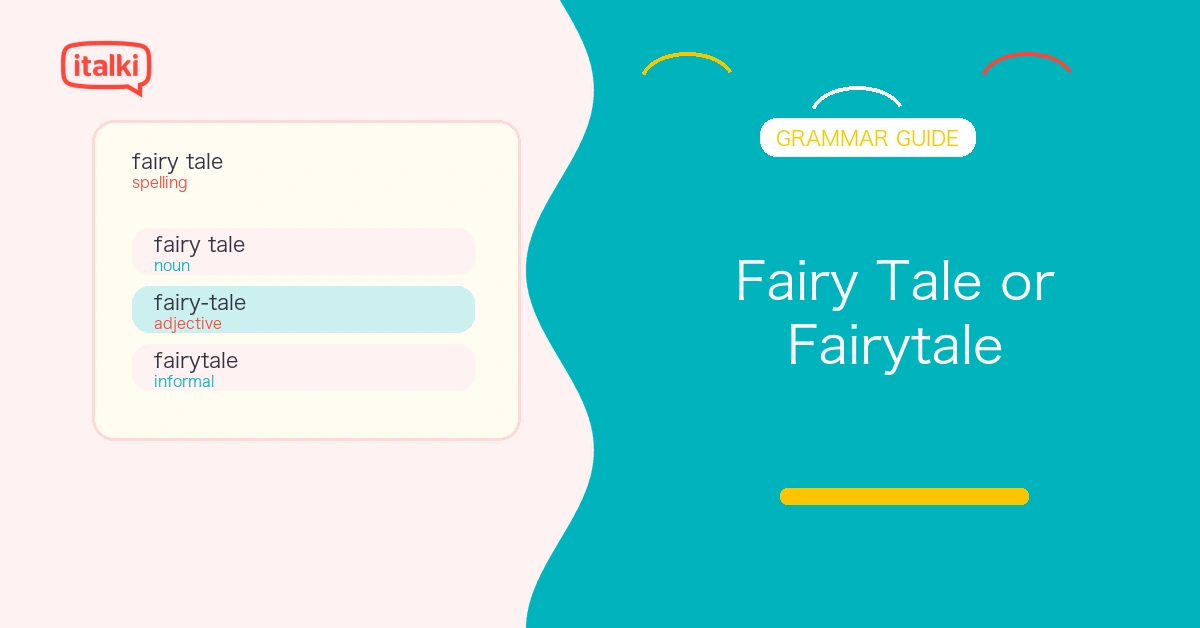
“Fairy tale” as two words is the older, more established form and is still preferred in formal and published writing.
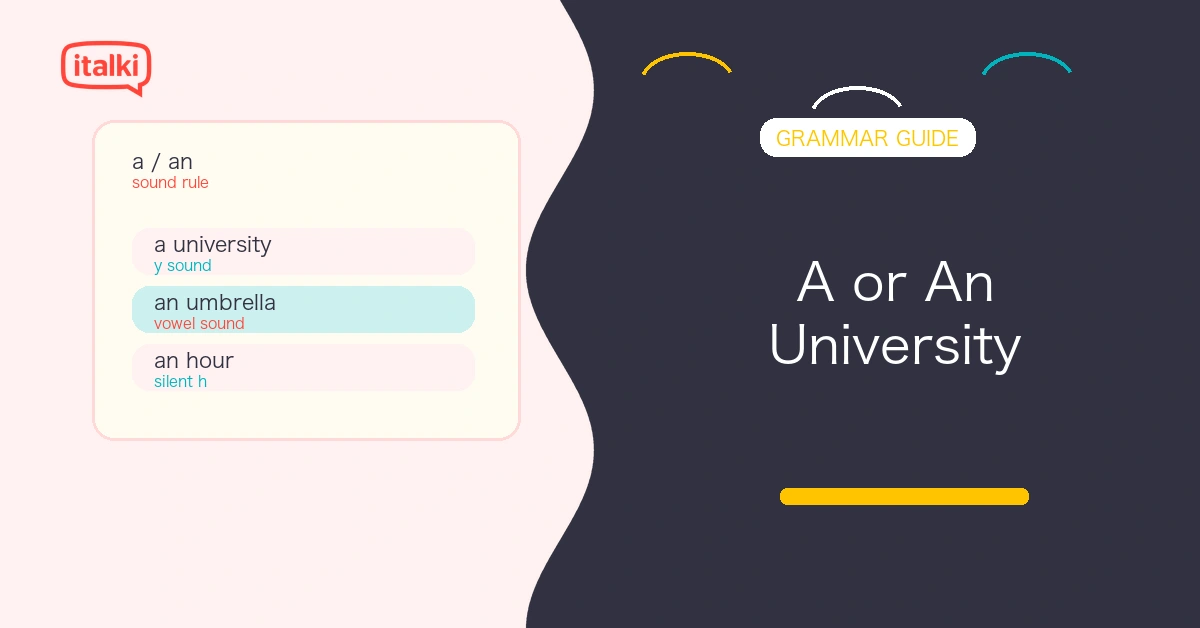
The rule for “a” vs. “an” is based on sound, not spelling: “an” before a vowel sound, “a” before a consonant sound.
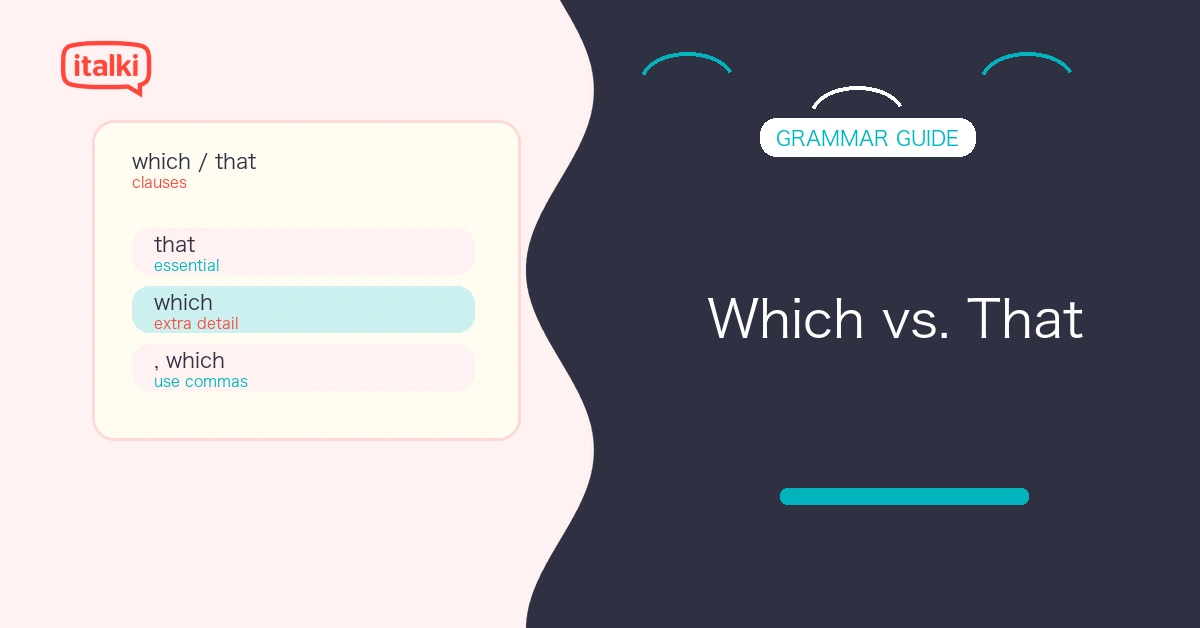
“Which” introduces a non-restrictive clause: additional information that can be removed without changing the core meaning.
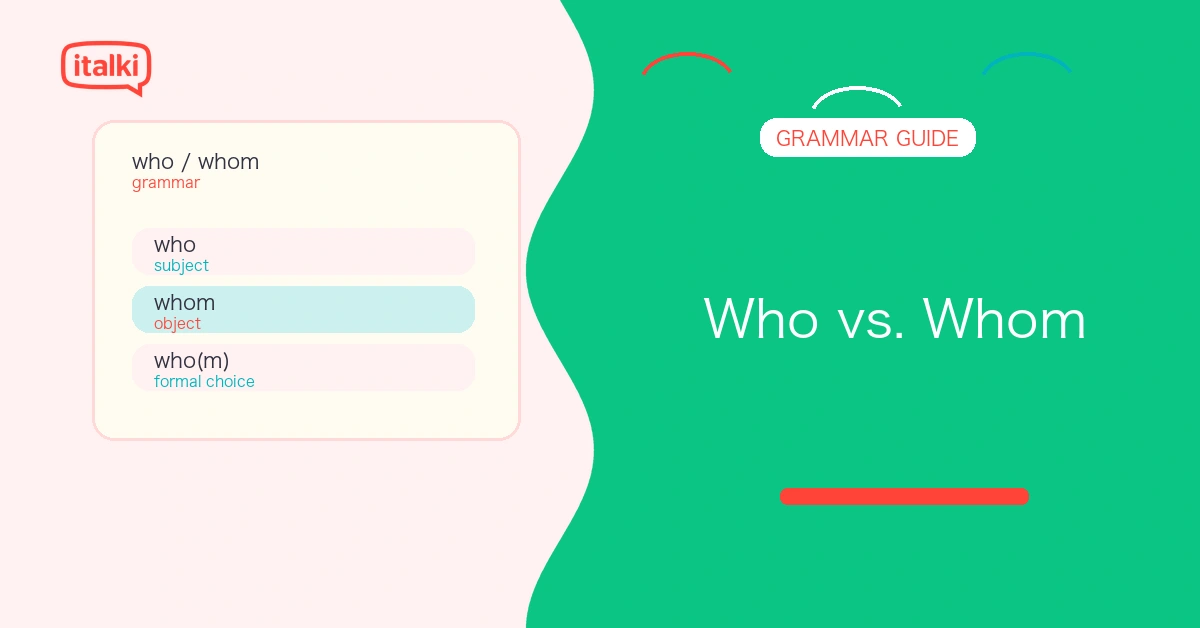
The he/him test works every time: if you can substitute “he” or “she,” use “who”; if “him” or “her” fits, use “whom.”
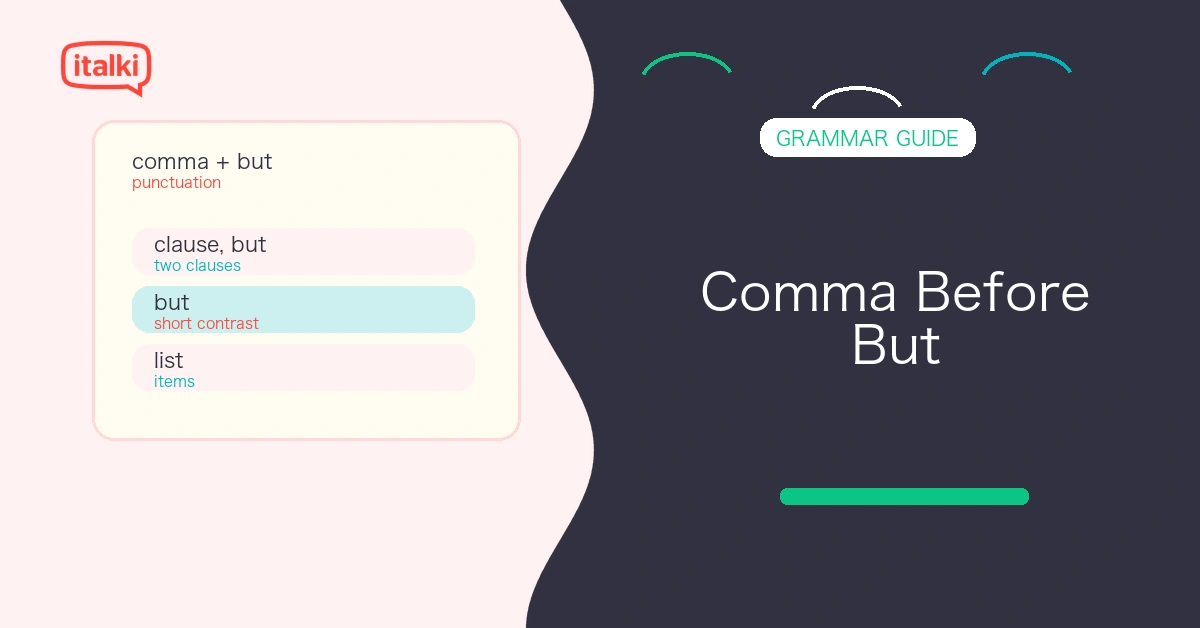
Use a comma before “but” when it joins two independent clauses (each could stand as its own sentence).
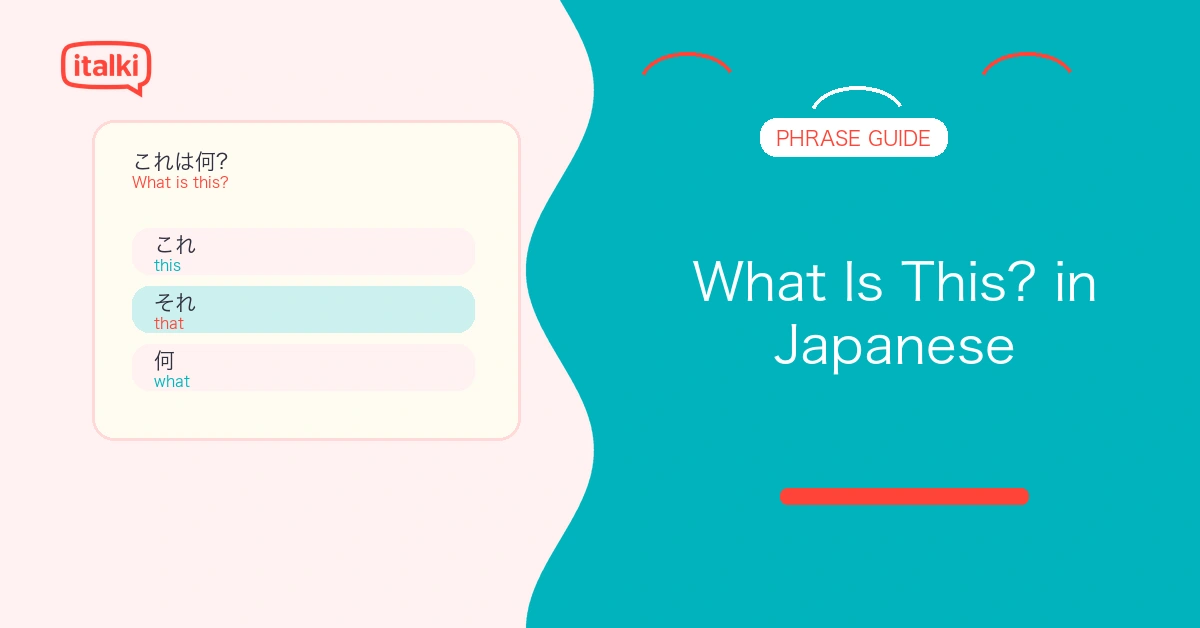
これは何ですか (kore wa nan desu ka) is the standard way to ask “what is this?” in Japanese.