Key takeaways:
- Spanish for family goes beyond basic vocabulary. You’ll learn how to introduce relatives, describe personalities, and discuss family dynamics naturally.
- Family structures in Spanish-speaking cultures often include extended family members in daily conversations, making these phrases important for real connections.
- Cultural context matters. Spanish speakers use different terms based on formality, region, and relationship closeness.
- Practice with native speakers speeds up your learning and helps you use these phrases in authentic conversations.
Learning Spanish for family conversations helps you build deeper connections with Spanish speakers around the world. You might be meeting your partner’s relatives for the first time, chatting with new friends about your siblings, or simply wanting to share stories about your loved ones. Knowing how to talk about family in Spanish matters a lot.
La familia holds a central place in Spanish-speaking cultures. Conversations often start with questions about relatives, and social gatherings regularly involve multiple generations. This guide gives you practical Spanish phrases, cultural insights, and conversation strategies to discuss family and relationships confidently.
Ready to start speaking naturally? Connect with experienced Spanish tutors who can help you practice these phrases in real conversations and build your Spanish skills.
The Spanish family tree
Understanding how the Spanish language organizes family relationships helps you handle conversations more easily. The family tree is similar to English with a few key differences.
Immediate family (familia inmediata) includes los padres (parents), los hermanos (siblings), and los hijos (children). This is your main family unit, also called the nuclear family, and the people you’ll reference most often in daily conversations. When talking about immediate and extended family, you’ll notice that Spanish speakers often mention both groups together.
Extended family (familia extendida) includes aunts, uncles, cousins, grandparents, and other relatives beyond your immediate household. Los parientes (relatives) come up all the time in everyday life. You’ll frequently hear about la tía (aunt), el tío (uncle), los abuelos (grandparents), el abuelo (grandfather), la abuela (grandmother), and los nietos (grandchildren). Even los parientes lejanos (distant relatives) come up in conversation more often than in English-speaking cultures.
Ancestral relationships follow clear generational patterns. Your grandparents (los abuelos) represent the second generation up from you. Their parents would be your “bisabuelos” (great-grandparents), and going further back, you have “tatarabuelos” (great-great-grandparents). Moving down the family tree, your children are “los hijos,” your grandchildren are “los nietos” (el nieto for grandson, la nieta for granddaughter), and your great-grandchildren are “bisnietos.” These generational terms help Spanish speakers trace lineage and maintain family history across multiple generations.
Sibling relationships have specific terms based on birth order and gender. El hermano mayor refers to the older brother or elder brother, while “hermano menor” means younger brother. The same applies to sisters: “hermana mayor” (older sister) and “hermana menor” (younger sister). When you’re the middle child, you say “soy el hijo de en medio.” If you have two brothers, you might say “tengo dos hermanos,” and if you have a mix, “tengo hermanos y una hermana” (I have brothers and a sister). For twins, use “tengo un hermano gemelo” (I have a twin brother) or “tengo una hermana gemela” (I have a twin sister).
In-laws get their own specific terms. Your mother in law is “suegra,” your father in law is “suegro,” brother in law is “cuñado,” and sister in law is “cuñada.” The suffix “-político/a” also indicates in-law relationships for other family members. Understanding these in-laws terms helps you talk about su familia (their family) when discussing someone else’s family.
Step-family members have their own specific terms in Spanish. A stepfather is “padrastro” and a stepmother is “madrastra.” For step-siblings, use “hermanastro” (stepbrother) or “hermanastra” (stepsister). The ending “-astro/-astra” is what signals a step-relationship in these words.
Cousin generations have distinct names. Your first cousins are “primos,” while your parents’ cousins are “primos segundos” (second cousins).
The family tree also includes special terms for godparents (“padrinos”) and godchildren (“ahijados”), reflecting the cultural importance of these relationships in Spanish speaking countries.
Essential Spanish vocabulary for family
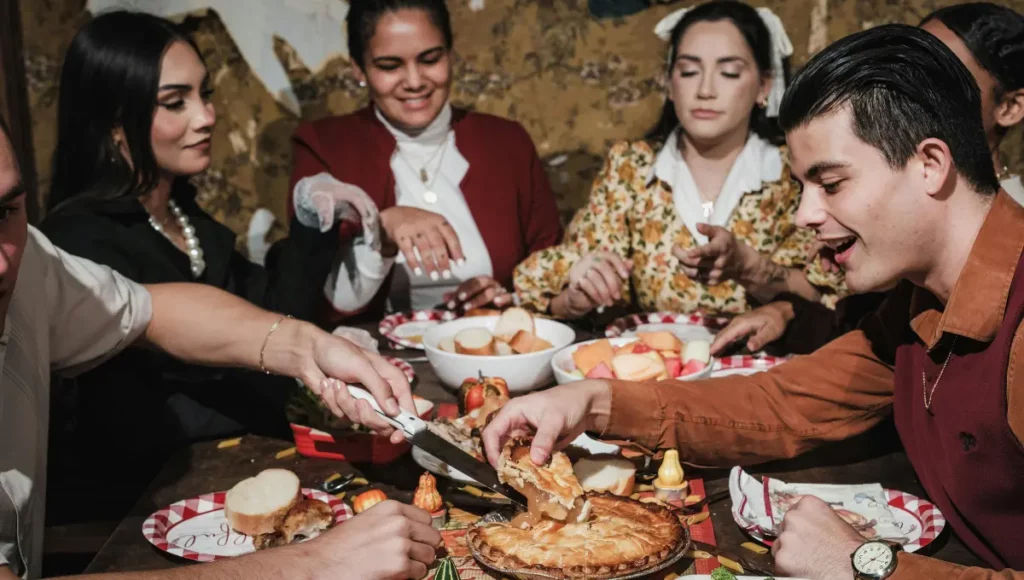
When building your Spanish vocabulary for family, you’ll notice that Spanish uses masculine nouns and feminine forms. Understanding possessive adjectives like “mi” (my), “tu” (your), and “su” (his/her/their) helps you describe family members in Spanish accurately. Spanish defaults to masculine plural forms when referring to mixed-gender groups, so “los hermanos” can mean “brothers” or “siblings.”
Family vocabulary is a great starting point. From there, learning basic Spanish words helps you build a stronger foundation for everyday conversations.
Introducing your family
When you meet someone new or describe mi familia, these phrases help you share information naturally. A native Spanish speaker would use these expressions in everyday conversations.
| Spanish | Pronunciation | English |
| Te presento a mi familia | teh preh-SEN-toh ah mee fah-MEE-lee-ah | Let me introduce you to my family |
| Esta es mi madre (la madre) | EH-stah ehs mee MAH-dreh | This is my mother |
| Él es mi hermano mayor | ehl ehs mee ehr-MAH-noh mah-YOHR | He is my older brother (elder brother) |
| Tengo dos hermanos | TEN-goh dohs ehr-MAH-nohs | I have two brothers |
| Tengo tres hermanos | TEN-goh trehs ehr-MAH-nohs | I have three siblings |
| Soy hijo único | soy EE-hoh OO-nee-koh | I’m an only child |
| Vivo con mis padres | VEE-voh kohn mees PAH-drehs | I live with my parents |
| Mi familia es grande | mee fah-MEE-lee-ah ehs GRAHN-deh | My family is big (big family) |
| Somos una familia pequeña | SOH-mohs OO-nah fah-MEE-lee-ah peh-KEN-yah | We’re a small family |
| Tengo muchos primos | TEN-goh MOO-chohs PREE-mohs | I have many cousins |
| Tengo un hermano gemelo | TEN-goh oon ehr-MAH-noh heh-MEH-loh | I have a twin brother |
| Soy el hijo de en medio | soy ehl EE-hoh deh en MEH-dee-oh | I’m the middle child |
Describing family members
These Spanish phrases let you paint a picture of your relatives’ personalities, appearances, and lives. You’ll use these expressions when talking about tu familia (your family) or nuestra familia (our family). Beyond these basic descriptions, learning Spanish adjectives allows you to capture the unique qualities that make each family member special.
| Spanish | Pronunciation | English |
| Mi padre (el padre) es muy trabajador | mee PAH-dreh ehs moo-ee trah-bah-hah-DOHR | My father is very hardworking |
| Mi hermana (la hermana) es abogada | mee ehr-MAH-nah ehs ah-boh-GAH-dah | My sister is a lawyer |
| Mi abuelo tiene el pelo blanco | mee ah-BWEH-loh tee-EH-neh ehl PEH-loh BLAHN-koh | My grandfather has white hair |
| Mi madre es muy cariñosa | mee MAH-dreh ehs moo-ee kah-ree-NYOH-sah | My mother is very affectionate |
| El hermano es alto y delgado | ehl ehr-MAH-noh ehs AHL-toh ee dehl-GAH-doh | The brother is tall and thin |
| Mi tía es muy divertida | mee TEE-ah ehs moo-ee dee-vehr-TEE-dah | My aunt is very fun |
| Mi tía tuvo trillizos | mee TEE-ah TOO-voh tree-YEE-sohs | My aunt had triplets |
| Mi primo estudia medicina | mee PREE-moh eh-STOO-dee-ah meh-dee-SEE-nah | My cousin studies medicine |
| Mi abuela es muy sabia | mee ah-BWEH-lah ehs moo-ee SAH-bee-ah | My grandmother is very wise |
| Mi sobrina tiene tres años | mee soh-BREE-nah tee-EH-neh trehs AHN-yohs | My niece is three years old |
| Mi tío trabaja en un banco | mee TEE-oh trah-BAH-hah en oon BAHN-koh | My uncle works at a bank |
| Mi cuñado es muy amable | mee koo-NYAH-doh ehs moo-ee ah-MAH-bleh | My brother-in-law is very kind |
| Se parece mucho a su padre | seh pah-REH-seh MOO-choh ah soo PAH-dreh | He/she looks a lot like his/her father |
| Tiene los ojos verdes | tee-EH-neh lohs OH-hohs VEHR-dehs | He/she has green eyes |
| Es muy inteligente | ehs moo-ee een-teh-lee-HEN-teh | He/she is very intelligent |
| Mi hermana menor es estudiante | mee ehr-MAH-nah meh-NOHR ehs eh-stoo-dee-AHN-teh | My younger sister is a student |
| El nieto juega fútbol | ehl nee-EH-toh HWEH-gah FOOT-bohl | The grandson plays soccer |
| La mamá cocina muy bien | lah mah-MAH koh-SEE-nah moo-ee bee-EHN | Mom cooks very well |
| El papá lee el periódico | ehl pah-PAH leh-eh ehl peh-ree-OH-dee-koh | Dad reads the newspaper |
| El hijo estudia en la universidad | ehl EE-hoh eh-STOO-dee-ah en lah oo-nee-vehr-see-DAHD | The son studies at university |
Talking about family dynamics
Express how family members relate to each other and interact in daily life. These phrases help you describe relationships within la familia.
| Spanish | Pronunciation | English |
| Me llevo bien con mis hermanos | meh YEH-voh bee-EHN kohn mees ehr-MAH-nohs | I get along well with my siblings |
| Mis padres están divorciados | mees PAH-drehs eh-STAHN dee-vohr-see-AH-dohs | My parents are divorced |
| Somos muy unidos | SOH-mohs moo-ee oo-NEE-dohs | We’re very close |
| Mi hermano y yo peleamos mucho | mee ehr-MAH-noh ee yoh peh-leh-AH-mohs MOO-choh | My brother and I fight a lot |
| Cuido a mis hermanos menores | kwee-DOH ah mees ehr-MAH-nohs meh-NOH-rehs | I take care of my younger siblings (younger brother) |
| Mis abuelos nos visitan seguido | mees ah-BWEH-lohs nohs vee-SEE-tahn seh-GEE-doh | My grandparents visit us often |
| Hablamos por teléfono todos los días | ah-BLAH-mohs pohr teh-LEH-foh-noh TOH-dohs lohs DEE-ahs | We talk on the phone every day |
| Mi familia me apoya mucho | mee fah-MEE-lee-ah meh ah-POH-yah MOO-choh | My family supports me a lot |
| Celebramos juntos las fiestas | seh-leh-BRAH-mohs HOON-tohs lahs fee-EH-stahs | We celebrate holidays together |
| Extraño mucho a mi familia | ehks-TRAH-nyoh MOO-choh ah mee fah-MEE-lee-ah | I miss my family a lot |
| Tengo hermanos y una hermana | TEN-goh ehr-MAH-nohs ee OO-nah ehr-MAH-nah | I have brothers and a sister (una hermana) |
| Toda la familia se reúne | TOH-dah lah fah-MEE-lee-ah seh reh-OO-neh | The whole family gets together |
Common questions people ask about family
Learn how to start conversations and respond naturally when people ask about your relatives. These questions help you practice your family vocabulary.
| Spanish | Pronunciation | English |
| ¿Tienes hermanos? | tee-EH-nehs ehr-MAH-nohs | Do you have siblings? |
| ¿A qué se dedican tus padres? | ah keh seh deh-DEE-kahn toos PAH-drehs | What do your parents do? |
| ¿Dónde vive tu familia? | DOHN-deh VEE-veh too fah-MEE-lee-ah | Where does your family live? |
| ¿Cuántos años tiene tu hermano? | KWAHN-tohs AHN-yohs tee-EH-neh too ehr-MAH-noh | How old is your brother? |
| ¿Ves a tu familia seguido? | vehs ah too fah-MEE-lee-ah seh-GEE-doh | Do you see your family often? |
| ¿Cómo se llama tu mamá? | KOH-moh seh YAH-mah too mah-MAH | What’s your mom’s name? |
| ¿Tus abuelos viven todavía? | toos ah-BWEH-lohs VEE-ven toh-dah-VEE-ah | Are your grandparents still alive? |
| ¿De dónde es tu familia? | deh DOHN-deh ehs too fah-MEE-lee-ah | Where is your family from? |
| ¿Cómo está tu familia? | KOH-moh eh-STAH too fah-MEE-lee-ah | How is your family? |
| Están muy bien, ¿qué tal los tuyos? | eh-STAHN moo-ee bee-EHN keh tahl lohs TOO-yohs | They’re very well, how about yours? |
Talking about family events and gatherings
Describe celebrations, visits, and special occasions with your relatives. These phrases help you talk about time spent with la familia.
| Spanish | Pronunciation | English |
| Vamos a reunirnos este fin de semana | VAH-mohs ah reh-oo-NEER-nohs EH-steh feen deh seh-MAH-nah | We’re getting together this weekend |
| Celebramos el cumpleaños de mi abuela | seh-leh-BRAH-mohs ehl koom-pleh-AHN-yohs deh mee ah-BWEH-lah | We’re celebrating my grandmother’s birthday |
| Toda la familia viene a cenar | TOH-dah lah fah-MEE-lee-ah vee-EH-neh ah seh-NAHR | The whole family is coming to dinner |
| Mis primos llegaron de visita | mees PREE-mohs yeh-GAH-rohn deh vee-SEE-tah | My cousins came to visit |
| Pasamos las vacaciones juntos | pah-SAH-mohs lahs vah-kah-see-OH-nehs HOON-tohs | We spend vacations together |
| Voy a la boda de mi hermana | voy ah lah BOH-dah deh mee ehr-MAH-nah | I’m going to my sister’s wedding |
| Hacemos una cena familiar cada mes | ah-SEH-mohs OO-nah SEH-nah fah-mee-lee-AHR KAH-dah mehs | We have a family dinner every month |
| Mi familia organizó una sorpresa | mee fah-MEE-lee-ah ohr-gah-nee-SOH OO-nah sohr-PREH-sah | My family organized a surprise |
| Festejamos la Navidad en casa de mis padres | feh-steh-HAH-mohs lah nah-vee-DAHD en KAH-sah deh mees PAH-drehs | We celebrate Christmas at my parents’ house |
| Mis tíos vienen a visitarnos mañana | mees TEE-ohs vee-EH-nen ah vee-see-TAHR-nohs mah-NYAH-nah | My aunt and uncle are coming to visit us tomorrow |
| Fuimos a la graduación de mi primo | FWEE-mohs ah lah grah-dwah-see-OHN deh mee PREE-moh | We went to my cousin’s graduation |
| Compartimos una comida especial | kohm-pahr-TEE-mohs OO-nah koh-MEE-dah eh-speh-see-AHL | We shared a special meal |
| Los nietos visitan a sus abuelos | lohs nee-EH-tohs vee-SEE-tahn ah soos ah-BWEH-lohs | The grandchildren visit their grandparents |
Find Your Perfect Teacher
At italki, you can find your Spanish tutor from all qualified and experienced teachers. Now experience the excellent language learning journey!
Book a trial lesson
Spanish vocabulary for romantic relationships
Dating and relationships
Dating phrases:
When you’re ready to express romantic interest, these phrases help you get by in the dating world in Spanish.
| Spanish | Pronunciation | English |
| ¿Te gustaría salir conmigo? | teh goo-stah-REE-ah sah-LEER kohn-MEE-goh | Would you like to go out with me? |
| Me gustas mucho | meh GOO-stahs MOO-choh | I like you a lot |
| ¿Quieres ser mi novia/novio? | kee-EH-rehs sehr mee NOH-vee-ah/NOH-vee-oh | Do you want to be my girlfriend/boyfriend? |
| Estoy saliendo con alguien | eh-STOY sah-lee-EHN-doh kohn AHL-gee-en | I’m dating someone |
| Tuvimos una cita anoche | too-VEE-mohs OO-nah SEE-tah ah-NOH-cheh | We had a date last night |
| Me encanta pasar tiempo contigo | meh en-KAHN-tah pah-SAHR tee-EHM-poh kohn-TEE-goh | I love spending time with you |
| ¿Puedo invitarte a cenar? | PWEH-doh een-vee-TAHR-teh ah seh-NAHR | Can I invite you to dinner? |
| Tienes una sonrisa hermosa | tee-EH-nehs OO-nah sohn-REE-sah ehr-MOH-sah | You have a beautiful smile |
In-a-relationship phrases:
| Spanish | Pronunciation | English |
| Te quiero mucho | teh kee-EH-roh MOO-choh | I love you very much |
| Mi novio/novia es muy especial | mee NOH-vee-oh/NOH-vee-ah ehs moo-ee eh-speh-see-AHL | My boyfriend/girlfriend is very special |
| Llevamos dos años juntos | yeh-VAH-mohs dohs AHN-yohs HOON-tohs | We’ve been together for two years |
| Es el amor de mi vida | ehs ehl ah-MOHR deh mee VEE-dah | He/she is the love of my life |
| Vivimos juntos | vee-VEE-mohs HOON-tohs | We live together |
| Mi pareja me hace muy feliz | mee pah-REH-hah meh AH-seh moo-ee feh-LEES | My partner makes me very happy |
| Estamos muy enamorados | eh-STAH-mohs moo-ee eh-nah-moh-RAH-dohs | We’re very much in love |
| Celebramos nuestro aniversario | seh-leh-BRAH-mohs nweh-stroh ah-nee-vehr-SAH-ree-oh | We’re celebrating our anniversary |
Breakup phrases:
| Spanish | Pronunciation | English |
| Creo que debemos terminar | KREH-oh keh deh-BEH-mohs tehr-mee-NAHR | I think we should break up |
| Ya no somos compatibles | yah noh SOH-mohs kohm-pah-TEE-blehs | We’re not compatible anymore |
| Necesito espacio | neh-seh-SEE-toh eh-SPAH-see-oh | I need space |
| Terminamos la semana pasada | tehr-mee-NAH-mohs lah seh-MAH-nah pah-SAH-dah | We broke up last week |
| Seguimos siendo amigos | seh-GEE-mohs see-EHN-doh ah-MEE-gohs | We’re still friends |
Marriage and commitment
These phrases help you discuss engagements, weddings, and long-term partnerships.
| Spanish | Pronunciation | English |
| Me propuso matrimonio | meh proh-POO-soh mah-tree-MOH-nee-oh | He/she proposed to me |
| Nos vamos a casar | nohs VAH-mohs ah kah-SAHR | We’re getting married |
| Mi prometido/prometida | mee proh-meh-TEE-doh/proh-meh-TEE-dah | My fiancé/fiancée |
| Estamos planeando la boda | eh-STAH-mohs plah-neh-AHN-doh lah BOH-dah | We’re planning the wedding |
| Mi esposo/esposa | mee eh-SPOH-soh/eh-SPOH-sah | My husband/wife |
| Nos casamos hace cinco años | nohs kah-SAH-mohs AH-seh SEEN-koh AHN-yohs | We got married five years ago |
| Es mi media naranja | ehs mee MEH-dee-ah nah-RAHN-hah | He/she is my soulmate |
| Vamos a celebrar bodas de plata | VAH-mohs ah seh-leh-BRAHR BOH-dahs deh PLAH-tah | We’re celebrating our silver anniversary |
| Mi marido/mujer | mee mah-REE-doh/moo-HEHR | My husband/wife |
| Intercambiamos votos | een-tehr-kahm-bee-AH-mohs VOH-tohs | We exchanged vows |
| La ceremonia fue hermosa | lah seh-reh-MOH-nee-ah fweh ehr-MOH-sah | The ceremony was beautiful |
| Nuestra luna de miel | nweh-strah LOO-nah deh mee-EHL | Our honeymoon |
For official documents or formal contexts, the gender-neutral term ‘cónyuge’ (spouse) is used instead of esposo or esposa.
Family connections in romantic contexts
In-laws and step-family terms:
In-laws vocabulary becomes important when you’re introducing your partner to family members or talking about someone else’s family. A Spanish speaker would use these terms regularly when discussing merged families.
| Spanish | Pronunciation | English |
| Voy a conocer a mis suegros | voy ah koh-noh-SEHR ah mees SWEH-grohs | I’m going to meet my in-laws |
| Mi suegra es muy amable | mee SWEH-grah ehs moo-ee ah-MAH-bleh | My mother-in-law is very kind |
| Me llevo bien con mi cuñada | meh YEH-voh bee-EHN kohn mee koo-NYAH-dah | I get along well with my sister-in-law |
| Mi yerno trabaja en tecnología | mee YEHR-noh trah-BAH-hah en tek-noh-loh-HEE-ah | My son-in-law works in technology |
| Mi nuera es profesora | mee NWEH-rah ehs proh-feh-SOH-rah | My daughter-in-law is a teacher |
| Presenté a mi novio/novia a mis padres | preh-sen-TEH ah mee NOH-vee-oh/NOH-vee-ah ah mees PAH-drehs | I introduced my boyfriend/girlfriend to my parents |
| Y mi suegro es ingeniero | ee mee SWEH-groh ehs een-heh-nee-EH-roh | And my father-in-law is an engineer |
Friendship and social networks
These phrases describe close relationships beyond romantic and family ties. In Spanish, friendships often form through simple, casual exchanges. The phrases below give you a solid starting point for building those connections.
| Spanish | Pronunciation | English |
| Mi mejor amigo/amiga | mee meh-HOHR ah-MEE-goh/ah-MEE-gah | My best friend |
| Somos amigos cercanos | SOH-mohs ah-MEE-gohs sehr-KAH-nohs | We’re close friends |
| Mi amiga de la infancia | mee ah-MEE-gah deh lah een-FAHN-see-ah | My childhood friend |
| Es como un hermano para mí | ehs KOH-moh oon ehr-MAH-noh PAH-rah mee | He’s like a brother to me |
| Mi compañero de trabajo | mee kohm-pah-NYEH-roh deh trah-BAH-hoh | My coworker |
| Mi padrino/madrina | mee pah-DREE-noh/mah-DREE-nah | My godfather/godmother |
| Somos uña y carne | SOH-mohs OO-nyah ee KAHR-neh | We’re inseparable |
| Mi mentor | mee men-TOHR | My mentor |
Related readings:
- French for Family and Relationships: A Practical Guide
- Japanese for Family and Relationships: The Ultimate Guide
The phrases in this guide give you a strong foundation for the most important Spanish for family conversations you’ll have. Real fluency comes from practicing these expressions in natural conversations where you can adapt them to your own life and experiences. Working with a native Spanish speaker helps you develop a deeper appreciation for the cultural nuances and gain confidence in everyday situations.
When you learn Spanish online with italki, you get one-on-one lessons tailored to your goals, this could be meeting your partner’s family, making friends in a Spanish-speaking country, or simply becoming more confident in everyday conversations.
Learn Spanish faster with personal guidance from expert Spanish teachers trusted by over 5 million learners worldwide. Book a trial lesson today.
FAQ
What is Spanish for family?
The Spanish word for family is “familia” (pronounced fah-MEE-lee-ah). When talking about your family, you say “mi familia” (my family). When asking about someone else’s family, you would say “tu familia” (your family).
What do Spanish people call their family?
Spanish speakers commonly use terms including “mamá” or “madre” (la madre) for mother, “papá” or “padre” (el padre) for father, “hermano/hermana” (el hermano or la hermana) for brother/sister, and “abuelo/abuela” for grandfather/grandmother. The terms vary slightly by region.
How do Mexicans say family?
Mexicans say “familia” just like other Spanish speakers. However, they often use affectionate diminutives and nicknames within families. For example, “mamá” might become “mami,” and “papá” becomes “papi.”
Is it mi familia or la familia?
Both are correct but used in different contexts. Use “mi familia” (my family) when talking about your own relatives: “Mi familia es grande” (My family is big). Use “la familia” (the family) when speaking generally about family as a concept or when referring to a specific family in conversation: “La familia es importante” (Family is important).
Do you use te quiero for family?
Yes, “te quiero” is commonly used to express love for family members in Spanish. While “te amo” expresses deeper romantic love, “te quiero” works well for family, close friends, and romantic partners.
Want to learn a language at italki?
Here are the best resources for you!